
Why Test Drives Take So Much of a Seller's Time
Discover why test drives consume so much seller time and learn key strategies to streamline the process for a smoother sale.
Why Test Drives Take So Much of a Seller’s Time
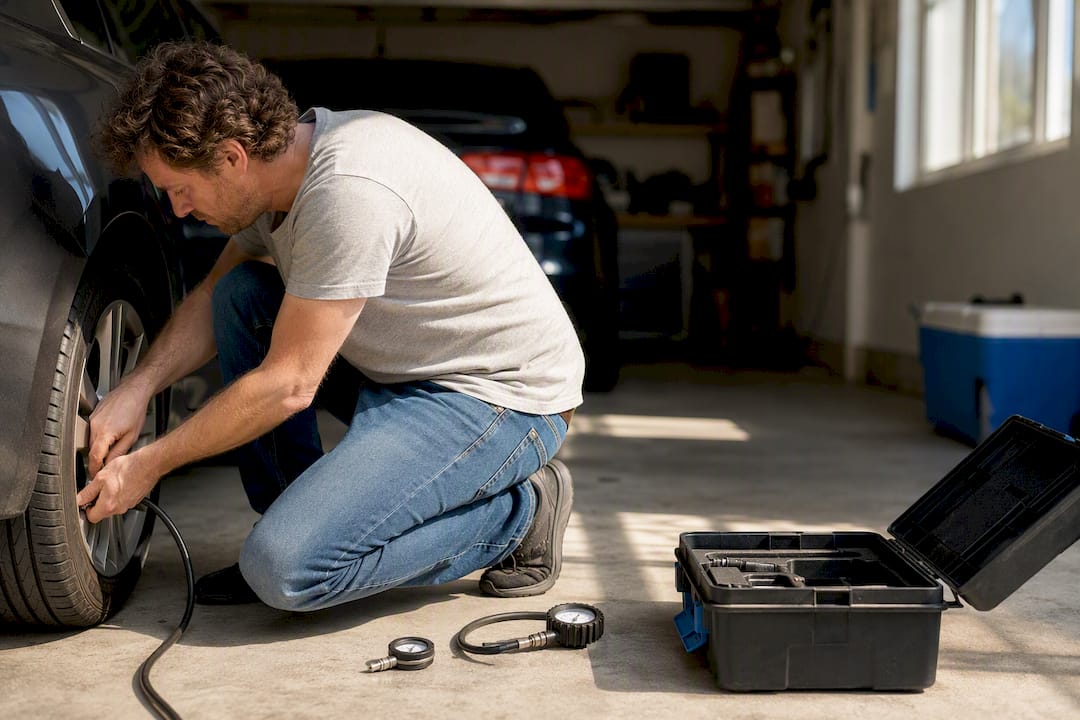
Test drives take seller time because they combine repeated scheduling, screening, supervision, staging, and risk management into every single inquiry, not just one. A private sale isn’t one event. It’s a stack of small, repeatable tasks that multiply with every buyer who says “can I take it for a spin?” Some of these buyers show up. Many don’t. Named alternatives like Kamocars exist precisely because this stack is heavier than most sellers expect, and industry data from outlets like Consumer Reports backs that up. Safety guidance from groups tracking vehicle transactions (the kind referenced by the Federal Trade Commission on private-party sales) adds another layer of steps you can’t skip.
Three things you can do in the next 24 to 48 hours to cut the damage:
- Set fixed viewing windows. Offer two or three specific time blocks instead of “whenever works for you.”
- Require pre-screening before you agree to a drive. Ask for a name, phone number, and proof of license before you confirm anything.
- Cap it at a short ride-along. A preplanned 10 to 15 minute loop, not an open-ended cruise.
Key Takeaways
Test drives consume seller time through repeated scheduling, screening, staging, and supervision, and that repetition, not the drive itself, is what turns a weekend project into weeks of work.
| Point | Details |
|---|---|
| Time sink is repetition | Small tasks like screening and scheduling repeat for every inquiry, not just once. |
| Test drives eat a quarter of sale time | Five drives at roughly an hour each can consume several hours of a 10 to 30 hour private sale. |
| Fixed routes cut risk and time | A preplanned 10 to 15 minute loop keeps drives short and gives sellers control. |
| Pre-screening filters tire-kickers | Verifying license and insurance before meeting removes many no-shows. |
| Kamocars removes the step entirely | An online cash offer with pickup and payment in 24 hours skips test drives altogether. |
Table of Contents
- Why Test Drives Take Seller Time: A Breakdown
- How Do You Calculate the Real Time Cost of Test Drives?
- How Can You Reduce Time and Risk During Test Drives?
- What Alternatives Skip the Test Drive Entirely?
- Frequently Asked Questions
- Sources
Why Test Drives Take Seller Time: A Breakdown
Every test drive request triggers a small chain of tasks, and that chain repeats with each new buyer. This is the part most sellers don’t budget for until they’re three weeks deep into it.
Scheduling friction eats the first chunk of time. Buyers text at odd hours, ask to reschedule, then go quiet. You block off a Saturday morning, and the person doesn’t show. Multiply that by five or six serious inquiries and you’ve lost an entire weekend to logistics alone, according to CurbSold’s breakdown of private-sale friction points.
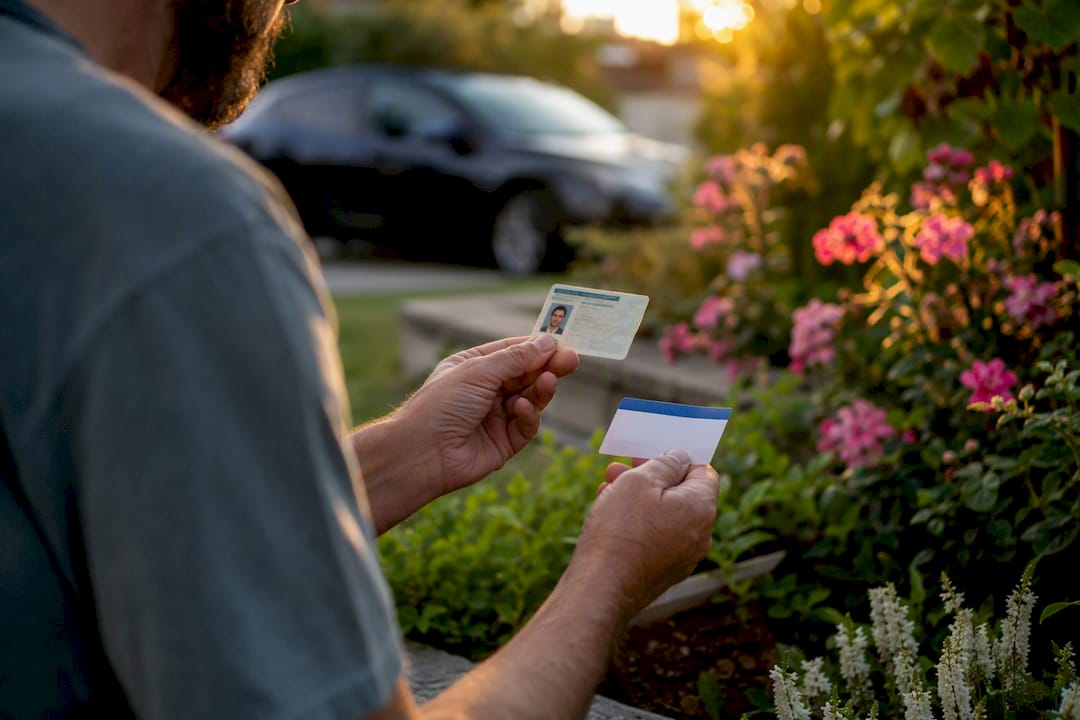
Screening and vetting come next, and they don’t get easier with repetition. You’re checking a driver’s license, confirming insurance, and trying to gauge whether someone is actually ready to buy or just curious about your asking price. You do this for every single lead, because skipping it even once is how sellers end up with an uninsured stranger behind the wheel.
Preparation overhead adds up quietly. A wash, a vacuum, fresh photos after someone asks about a scratch you forgot to mention. Then a lowball offer forces you to restage for the next viewer.
Supervision and route management is where things run long. Jalopnik has documented how private-seller test drives are far less predictable than dealership ones, often pushing owners to ride along and add security checks that stretch a “quick drive” into 30 or 40 minutes.
Private sellers describe the same pattern: the test drive itself is short, but the surrounding hour of texting, waiting, and re-explaining the car’s history is what actually drains the day.
Total seller time for a private sale runs 10 to 30 hours across listing, messaging, showings, and paperwork, according to CurbSold. Test drives and their scheduling account for a significant portion of that time.
Follow-up doesn’t stop once the drive ends, either:
- Post-drive calls and texts negotiating a counteroffer
- Requests for a third-party inspection before the buyer commits
- Renegotiation over anything the buyer noticed during the drive
How Do You Calculate the Real Time Cost of Test Drives?
Turning vague frustration into a number changes how you decide to sell. Here’s a worksheet you can run in five minutes.
- Estimate total inquiries. A typical used vehicle listing draws somewhere between 8 and 20 messages over its listing period.
- Apply a test-drive request rate. Assume roughly a third to half convert into a drive request.
- Multiply by time per viewing. Budget 45 to 60 minutes per viewing once you include travel to a meeting spot, the drive itself, and the conversation before and after.
- Add negotiation and follow-up time. Tack on 15 to 30 minutes per serious buyer for texts and calls after the drive.
- Sum it up. Five test drives at roughly an hour each, plus follow-up, lands you several hours just on this piece of the sale.
A conservative example: 15 inquiries, five test drives, an hour each, plus 20 minutes of follow-up per drive. That’s just under 7 hours before you’ve even touched listing, photos, or paperwork.
Set against CurbSold’s 10 to 30 hour total for a private sale, test drives alone can eat a quarter or more of your time budget. Compare that to a buyer who gives a quick offer after you submit your VIN and basic condition details, where an in-person inspection, when required at all, often wraps up in under an hour.
How Can You Reduce Time and Risk During Test Drives?
You don’t have to eliminate in-person drives to take back control of your schedule. A handful of rules, applied consistently, cut both time and exposure.
Start with pre-screening. Before you agree to meet anyone, ask for their full name, a phone number, and confirmation they have a valid license and insurance. A short script works well: “Happy to set up a drive. Can you send your name and confirm you’re insured to drive? I’ll text over a couple of time windows this week.” That single message filters out a large share of tire-kickers before they cost you an evening.
Batch your viewings instead of scheduling them one at a time. Pick two fixed windows per week, daylight hours only, and tell every inquiry the same options. This does two things: it stops the endless back-and-forth of finding a time that works, and it gives you a natural excuse to say no to last-minute changes. Require a confirmation text an hour before the appointment. No confirmation, no meeting.
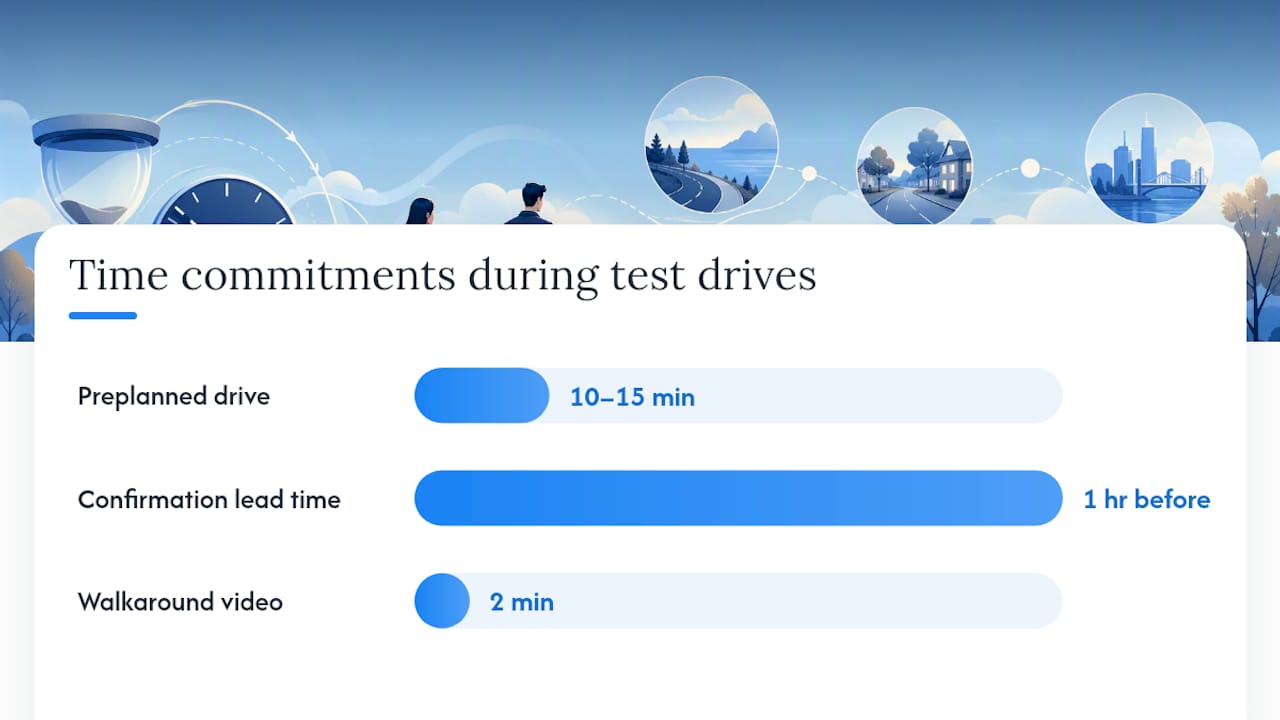
Limit the drive itself to a preplanned 10 to 15 minute route. Check A Car’s guidance on handling test drives recommends verifying license and insurance up front, riding along, and sticking to a short route you’ve mapped out in advance. This isn’t just about safety. A fixed loop means you always know how long the drive will run, and it prevents a buyer from “just driving a little further” into a 45 minute detour.
Meet in a public, well-lit location such as a bank parking lot or a designated safe-exchange zone, and ask for a short intro call before you confirm the meeting. Sending a two-minute video walkaround ahead of time also filters out casual browsers who were never going to buy.
- Verify license and insurance before agreeing to meet
- Batch viewings into fixed daylight windows
- Cap drives to a 10 to 15 minute preplanned loop
- Meet in a public safe-exchange location
- Send photos or a video walkaround before scheduling
Pro Tip: Stage the car once, thoroughly, before your first viewing window, then only touch up between batches instead of redoing the full clean for every single buyer.
What Alternatives Skip the Test Drive Entirely?
If the hours above sound like more than you want to spend, you have real alternatives, each trading a bit of price for a lot less effort.
A dealership trade-in is the fastest option and requires no test drives at all, but it typically nets the lowest price of the three routes. Instant online offers sit in the middle: you submit details, get a number back quickly, and if an in-person check is required, it usually runs under an hour at a retail location rather than a string of stranger visits to your driveway. A direct buyer service like Kamocars gives an online cash offer based on current market data, then handles pickup and payment, so there’s no test drive to schedule with anyone at all. Kamocars typically works with 2018 and newer cars, trucks, and SUVs in running condition, including financed or leased vehicles.
Run this quick check before you decide:
- If your time is genuinely limited or the safety concerns of hosting strangers bother you, an instant offer or direct buyer route is worth the price difference.
- If you have flexible evenings, a desirable vehicle that draws serious buyers fast, and you’ve already built pre-screening habits, a private sale can still pay off.
Why sellers underestimate test-drive time
I’ve noticed sellers picture one clean weekend showing, not the six smaller tasks hiding behind it. Ten minutes of texting here, a rescheduled Saturday there. It adds up fast, and the stress of hosting strangers repeatedly wears on you as much as the hours do.
Skip the Test Drives with an Instant Offer
Kamocars gives you a fair cash offer online based on current market data, then handles pickup and payment within 24 hours, so you never have to schedule, screen, or supervise a single test drive. The service typically covers 2018 and newer cars, trucks, and SUVs in running condition, including vehicles that still carry a loan or lease. If the hours in the worksheet above sound like more than your weekend can spare, get an instant offer and see the number before you post a single listing.
Frequently Asked Questions
How long does a typical test drive take? The drive itself usually runs 10 to 20 minutes, but the surrounding scheduling, conversation, and follow-up often stretch total time per buyer to 45 minutes or more.
Why do sellers need to ride along on test drives? Riding along protects against theft, accidents, and disputes over damage, and it lets you end the drive early if something feels off. It also adds time to a process that already involves plenty of waiting.
How much total time does a private car sale take? Private sales commonly take 2 to 4 weeks and 10 to 30 hours of seller effort across listing, messaging, showings, and paperwork.
What’s the fastest way to sell a car without hosting test drives? An instant online offer or a direct buyer service, such as Kamocars, lets you skip in-person drives entirely by handling appraisal, pickup, and payment online.
Is it safe to let a stranger test drive my car alone? It’s safer to always ride along, verify the buyer’s license and insurance beforehand, and stick to a short, preplanned route rather than handing over keys unsupervised.
Sources
- How to sell your car to an online retailer | Consumer Reports
- Differences between test drives at dealerships and with private sellers | Jalopnik
- How to Handle Test Drives When Selling | Check A Car Guides
Recommended
Get a real cash offer in 2 minutes
Trusted business. Fair price. Paid on the spot when we pick up your car.