
Sell Your 2018+ Car After Moving to Edmonton and Get Paid in 24 Hours
Sell a 2018 or newer car after moving to Edmonton to a licensed buyer. Get an AMVIC compliant bill of sale and cash, often within 24 hours.
Sell Your 2018+ Car After Moving to Edmonton and Get Paid in 24 Hours
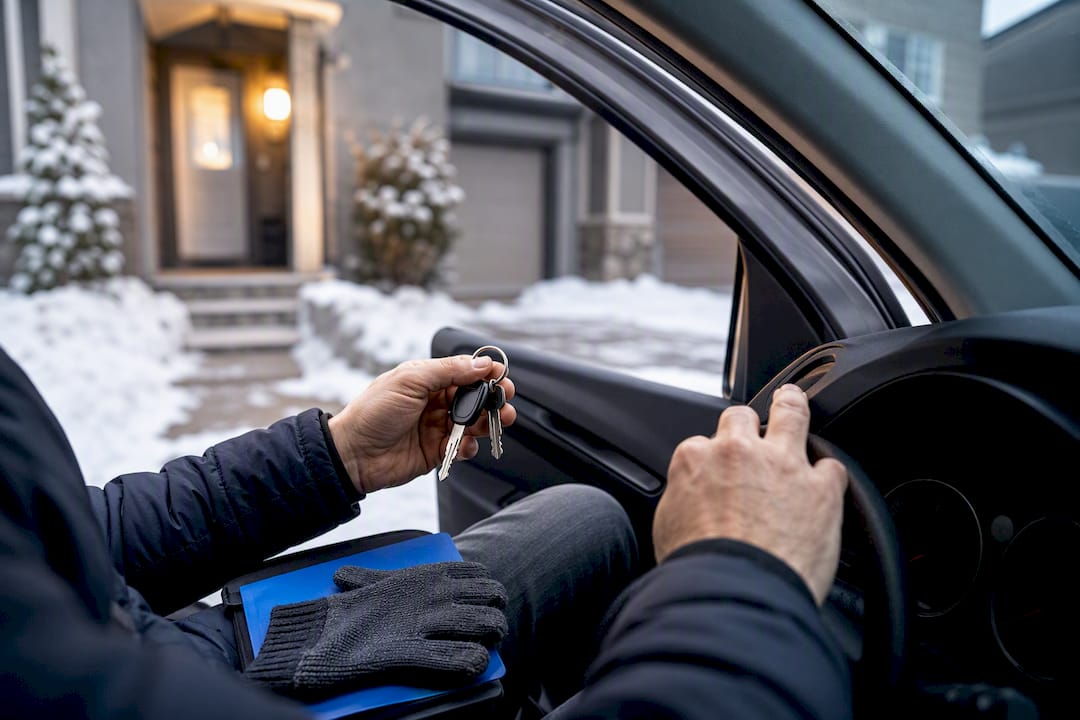
If you just moved and need to sell a 2018-or-newer running vehicle in Edmonton fast, your best move is selling to a licensed local car-buying business that issues a comprehensive bill of sale and pays cash. It’s faster than a private sale, better documented than a handshake deal, and avoids the lowball trade-in offers dealerships lean on. You skip strangers, skip haggling, and walk away with a paper trail that protects you legally.
TL;DR:
- Selling to a licensed Edmonton car buyer typically takes one to two days from appraisal to cash payment, with no test-drives or haggling involved.
- A comprehensive bill of sale is mandatory in Alberta, listing VIN, odometer, full IDs, business license number, sale details, and vehicle disclosures.
- Payoff on financed cars is handled directly with the lender, and any remaining balance is paid to the seller once the loan is settled.
- Preparing all documents, photos, and accurate vehicle details before requesting an appraisal speeds up the process significantly.
- Selling to a licensed business ensures a legal, documented transaction and avoids the pitfalls of private sales or dealership lowball offers.
Table of Contents
- How the sale actually works, from appraisal to payment
- What paperwork does Alberta require for a business sale?
- What if I still owe money on the car?
- Get your paperwork ready before you request an appraisal
- How Kamocars handles the process in Edmonton
- Why I recommend selling to a licensed business after a move
- Ready to sell your car in Edmonton?
- Sources
- FAQ
How the sale actually works, from appraisal to payment
Selling a car after relocating doesn’t need to drag out for weeks. A licensed Edmonton buyer can typically move from first contact to cash in your hand within a day or two, sometimes the same day.
Here’s the sequence most reputable buyers follow:
- Submit your vehicle details online. You’ll provide the VIN, current odometer reading, trim level, and a few photos showing the exterior, interior, and any damage.
- Receive an instant or near-instant offer. This is based on current wholesale market data, not a guess. Offers are typically valid for a set window, often a few days, so you have time to compare.
- Accept and schedule pickup. You pick a time that works, often within 24 hours of accepting.
- Verify identity and paperwork at pickup. The buyer will check your government-issued ID against the vehicle ownership and confirm details on the bill of sale before finalizing.
- Get paid. “Paid in 24 hours” usually means secure payment, such as e-transfer or bank draft, lands the same day as pickup or the next business day at the latest.
The whole point of this workflow is removing the back-and-forth that eats up weeks in a private sale. No test-drive no-shows, no lowball counteroffers, no waiting on a buyer’s financing to clear.
Pro Tip: Have your VIN and current odometer reading ready before you request an appraisal. Vague or estimated numbers slow down the offer stage and can trigger a second review at pickup.
What paperwork does Alberta require for a business sale?
This is where a lot of private sellers get tripped up, and where selling to a licensed business actually works in your favor. When you sell to an automotive business in Alberta, the transaction requires a comprehensive bill of sale, not the simpler standard form used between two private individuals.
A comprehensive bill of sale must include:
- The vehicle’s VIN and current odometer reading
- Full legal names and addresses for both the seller and the buyer
- The business’s licence number, since this is a regulated transaction
- The name of the salesperson handling the deal
- The transaction date, sale price, and any applicable fees
- Any required disclosures about the vehicle’s condition or history
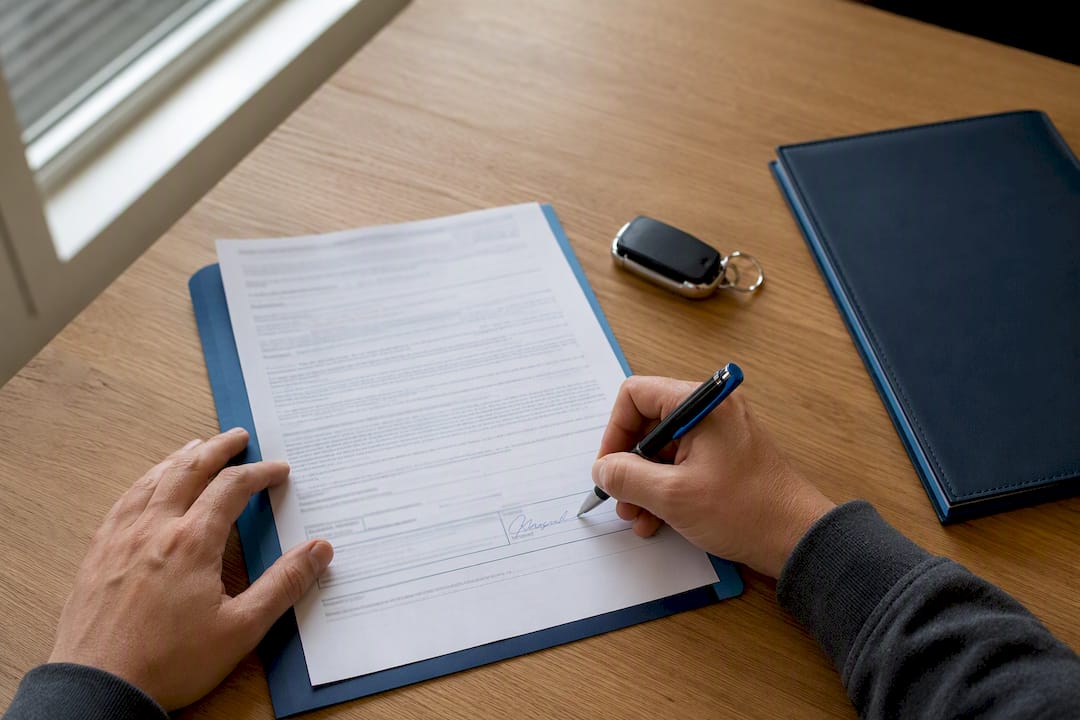
AMVIC, the Alberta Motor Vehicle Industry Council, requires businesses to complete this form fully and keep detailed transaction records under the Automotive Business Regulation. That means a licensed buyer isn’t allowed to hand you a scribbled note and call it done. Under ABR Sections 31.1 and 31.2, the business must disclose vehicle history and maintain complete financial records, then give you a single final bill of sale as your legal proof of sale.
Wet-ink signatures still matter here. Registry agents processing the transfer expect original signed copies, not a digital scan, so keep your own physical copy once the deal closes.
If you’re a new Alberta resident who just moved, there’s a deadline that catches people off guard: you must register your vehicle in Alberta within 90 days of arrival. If you’re selling before that deadline hits, completing the sale with a licensed buyer who issues a compliant bill of sale actually simplifies things, since you won’t need to register a vehicle you no longer own.
What if I still owe money on the car?
A financed or leased vehicle doesn’t rule out a fast cash sale. It just adds one more step: the payoff.
- Loan payoff first. The buyer will typically request your lender’s payoff quote and pay that amount directly to the lender before releasing the remaining balance to you.
- Net payment reflects the payoff. If your car is worth more than what you owe, you get the difference in cash. If you’re underwater on the loan, be upfront about it before the appraisal stage.
- Timing shifts slightly. Lender payoffs sometimes take an extra business day to process, so factor that in if you need funds by a specific date.
- Every adjustment should be itemized. Damage, prior salvage history, or an unrecorded lien found during a title check should all appear as separate line items on the bill of sale, not folded into a vague final number.
Market data and vehicle condition drive the offer price more than anything else. A 2018 half-ton with high mileage and a cracked windshield will price differently than the same model in clean shape, and a legitimate buyer should walk you through how they landed on your number rather than just naming a figure.
Get your paperwork ready before you request an appraisal
The single biggest speed factor in this whole process is how prepared you are before you even submit your vehicle details.
- Gather your document bundle. This means proof of ownership, current insurance, any lien or loan statement, two pieces of government-issued ID, both sets of keys, and service records if you have them.
- Take clear photos. Shoot the exterior from all four angles, the interior, the odometer, and any dents, scratches, or damage. Buyers use these to confirm the appraisal matches reality.
- Double-check your numbers. An incorrect odometer statement or a mismatched VIN can delay or void the transaction at the registry level.
Common mistakes that slow things down: forgetting to disclose a windshield crack or prior accident, leaving a signature line blank on the bill of sale, or guessing at mileage instead of reading the actual odometer.
Pro Tip: If you moved from out of province, check whether your vehicle needs an out-of-province inspection before Alberta registration. It won’t affect a sale to a business, but it matters if you’re weighing registration versus selling.
How Kamocars handles the process in Edmonton
Kamocars was built around exactly this scenario: someone in Edmonton who needs to sell a running 2018-or-newer vehicle without the runaround of private buyers or dealership lowballing.
- Instant appraisals using current market data. You submit your VIN, odometer, and photos, and get a cash offer based on real Canadian wholesale pricing, not a guess pulled from a used-car lot.
- Pickup and payment within 24 hours. Once you accept, The buyer schedules pickup and completes payment promptly, which matters if you’re juggling a move and don’t have weeks to spare.
- Registered business status with over 500 completed transactions. That’s not a small number for a local buyer, and it’s backed by a track record of strong customer ratings.
- Compliant paperwork every time. Each sale is documented with a comprehensive bill of sale that meets AMVIC and Automotive Business Regulation requirements, and financed vehicle payoffs are handled directly with your lender.
For anyone weighing this against a private sale, that combination of speed and documented compliance is hard to match, especially mid-move when your priority is getting the vehicle off your hands cleanly.
Why I recommend selling to a licensed business after a move
Relocating is chaotic enough without a car sale dragging on for weeks or leaving you exposed to a disputed bill of sale. My take, based on how Alberta’s rules are actually written: the legal protections built into a comprehensive bill of sale exist precisely for situations like this. Speed matters, but speed without a properly documented, licensed transaction just trades one risk for another.
— Omar
Ready to sell your car in Edmonton?
Selling privately means fielding calls from strangers, negotiating over text, and hoping the buyer’s financing actually clears. Trading in at a dealership usually means accepting a number well below what your vehicle is actually worth. Kamocars gives you a third option built for exactly this moment: a fair cash offer based on real market data, pickup and payment within 24 hours, and a comprehensive bill of sale handled correctly the first time.
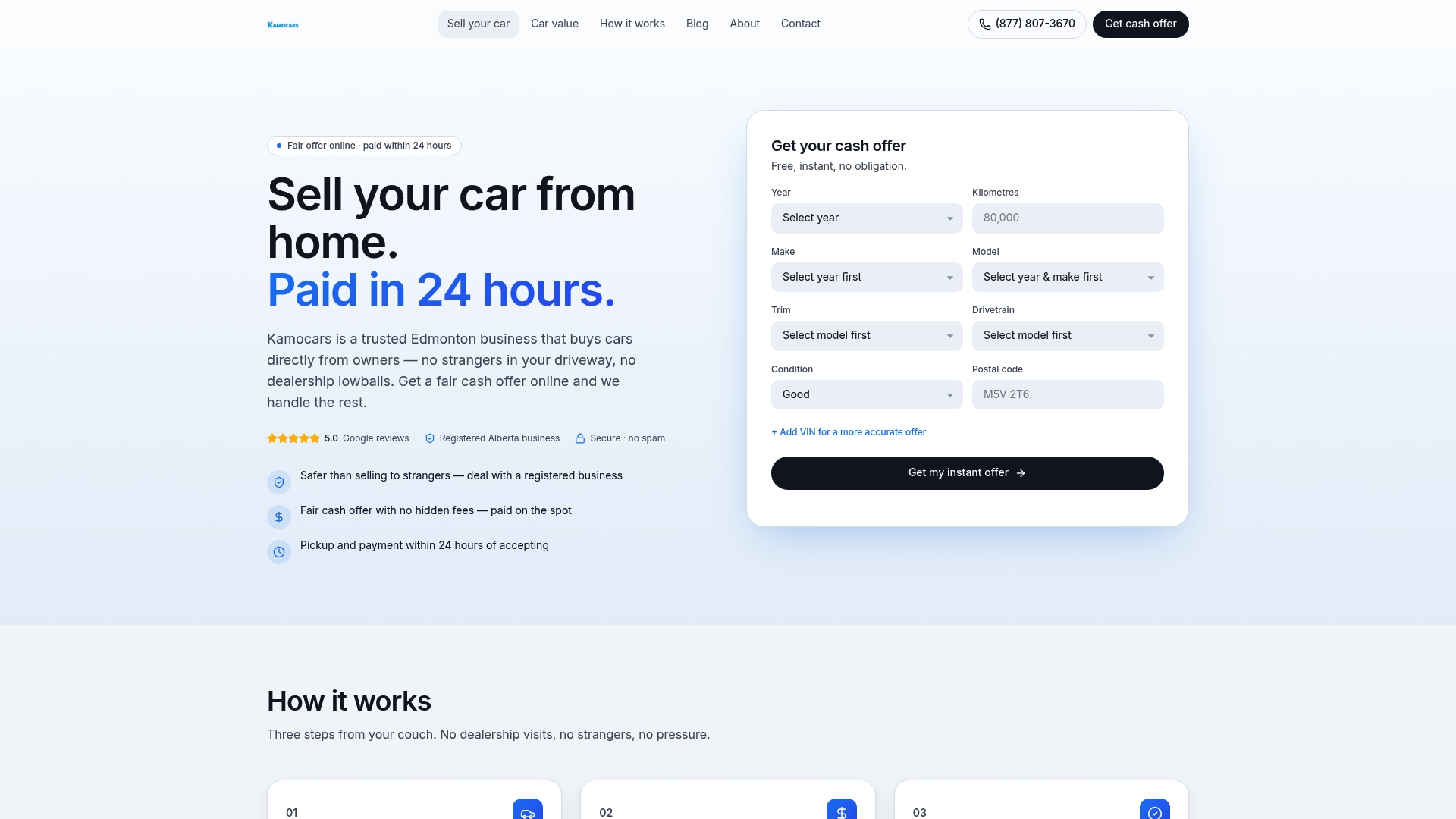
Start by visiting the Sell My Car Edmonton page and submitting your VIN, odometer reading, and a few photos. You’ll get an instant appraisal, and if you accept, Kamocars schedules pickup and payment right away, no haggling and no waiting around while you’re trying to settle into a new home.
Sources
FAQ
Do I need a comprehensive bill of sale to sell to a business in Edmonton?
Yes. Alberta requires businesses to use a comprehensive bill of sale listing the VIN, odometer reading, full buyer and seller identification, and required disclosures.
How fast can I actually get paid after moving to Edmonton?
Licensed buyers often complete pickup and payment within 24 hours of accepting an offer, once your paperwork and ID check out.
What happens if I still owe money on my car?
The buyer typically pays your lender’s payoff amount directly and sends you the remaining balance, with the payoff itemized on the bill of sale.
Do I need to register my car in Alberta before selling it?
No. If you’re selling before hitting the 90-day registration deadline for new residents, completing the sale with a licensed buyer avoids the registration step entirely.
What documents does the buyer check at pickup?
Expect a check of your government-issued ID against the vehicle ownership, plus confirmation of the VIN and odometer against the bill of sale before payment is released.
Recommended
Get a real cash offer in 2 minutes
Trusted business. Fair price. Paid on the spot when we pick up your car.