
1% Per 1,000 Miles: How Sellers Can Estimate Their Car's Mileage Loss
Estimate your car's resale loss with a simple comparables method and the 1% per 1,000 miles rule. Compare selling channels and when Kamocars' 24 hours...
1% Per 1,000 Miles: How Sellers Can Estimate Their Car’s Mileage Loss
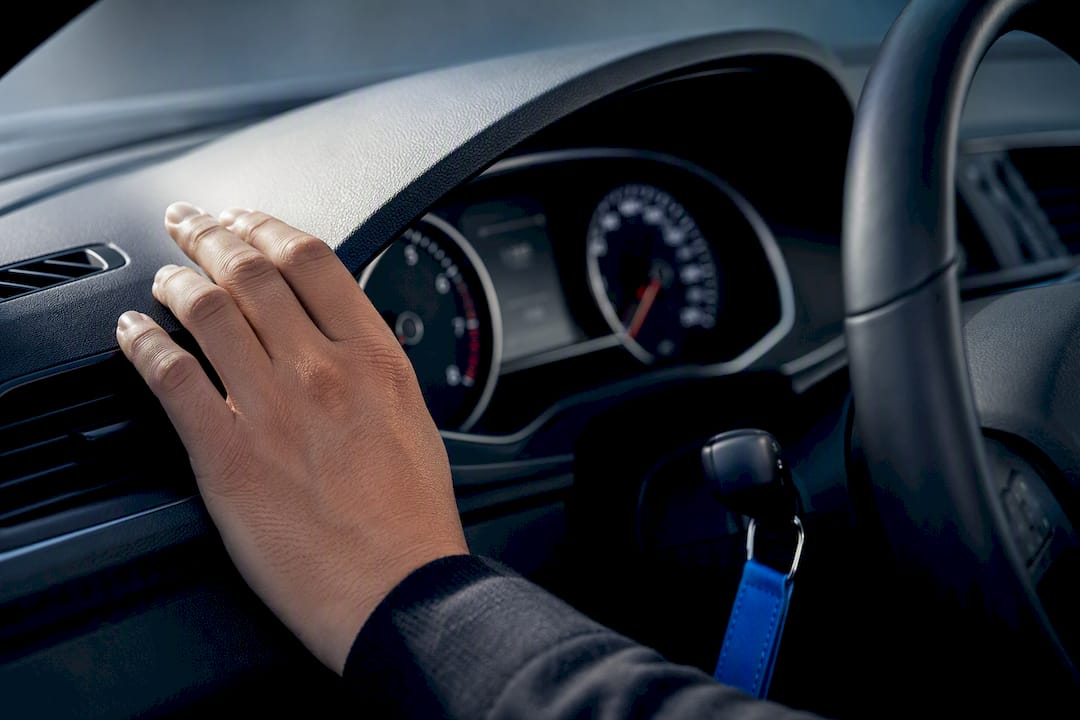
Mileage almost always pulls resale value down, but not by as much as most sellers fear. A workable rule of thumb is a 1% drop in value per 1,000 miles driven, or roughly 20% per 20,000 miles, though the real number shifts with the car’s model, age, and condition. A well-documented, mechanically sound high-mileage car can still beat a neglected low-mileage one.
TL;DR:
- Cars with high mileage typically lose about 1% of their value per 1,000 miles, but the actual impact varies based on condition, model, and market demand.
- Buyers view mileage mainly as a risk predictor for costly repairs, with thresholds at 100,000 and 200,000 miles significantly shrinking the buyer pool and financing options.
- Well-documented maintenance history and highway driving can offset some of the depreciation effects of high mileage, often making high-mileage cars more valuable than neglected low-mileage alternatives.
- Selling channels matter: private sales usually yield higher prices for high-mileage cars but require patience and thorough documentation, while online cash offers provide quick, predictable deals especially after 100,000 miles.
- Using local comparables and maintenance records helps accurately estimate mileage-related depreciation and determine the best timing to sell a high-mileage vehicle.
Table of Contents
- How Mileage Vs Car Value Actually Works for Buyers
- How Much Does Mileage Really Cost You in Resale Value?
- What Matters More Than the Odometer Reading
- How to Estimate Your Own Car’s Mileage Discount
- Does the Selling Channel Change What Mileage Costs You?
- How an Online Cash-Offer Service Prices High-Mileage Cars
- Should You Sell Now or Wait Out the Mileage?
- When a Fast Cash Offer Beats Chasing the Private Market
- Sources
- FAQ
How Mileage Vs Car Value Actually Works for Buyers
Buyers, whether they’re private shoppers, dealers, or online cash buyers, don’t actually care about the odometer number itself. They care about what that number predicts: how much they’ll spend on repairs before the car breaks down. Mileage is a stand-in for risk, and every party in a used car sale reads that risk differently.
A private buyer sees 130,000 miles and mentally tallies the cost of a coming transmission service, new tires, or a timing belt. A dealer looks at the same number and thinks about whether the car will even go on the retail lot or get shipped straight to auction. An online cash buyer runs the number through current wholesale data and gives you a figure on the spot, no guessing involved.
Mileage doesn’t erode value at a steady pace, either. Depreciation moves fastest in the first few years of ownership, then flattens out, then drops again as a car crosses certain thresholds that spook buyers regardless of the car’s actual condition. Two vehicles with identical mechanical health can sell for very different prices just because one sits at 99,500 miles and the other at 101,000.
Here’s what mileage signals to a buyer evaluating risk:
- Engine and transmission wear, since these are the priciest systems to replace
- Suspension and brake component life, especially on vehicles with heavy city use
- Interior wear that hints at how the car was actually treated day to day
- Remaining life on maintenance items like belts, hoses, and fluids tied to mileage intervals
- How much usable life is statistically left before major failure risk climbs
That last point explains why the mileage penalty isn’t linear. It’s a curve that steepens at certain points, which brings up the numbers sellers actually want to see.
How Much Does Mileage Really Cost You in Resale Value?
A commonly cited benchmark puts the mileage discount at roughly 20% for every 20,000 miles added, or about 1% per 1,000 miles, though this swings widely depending on the specific vehicle and local market conditions. Treat this as a starting point for a conversation with comparables, not a formula to apply blindly.
Rule of thumb: Expect roughly a 1% value reduction for every 1,000 miles above the average for the vehicle’s age, assuming average condition and a stable used car market.
That number moves for a few predictable reasons:
- Trucks and SUVs with reputations for durability often hold value better at higher mileage than sedans built on less rugged platforms
- Newer model years depreciate faster in absolute dollars even at the same mileage, simply because they start from a higher price
- Regional demand shifts the math too; a truck at 140,000 miles might sell fine in a rural market and struggle in a dense urban one
Mileage thresholds matter more than the raw math suggests. Buyers use round numbers as mental filters, whether the underlying mechanical risk actually changes at that exact point or not.
| Threshold | Buyer behavior |
|---|---|
| — | Still viewed as “young,” minimal buyer hesitation |
| 100,000 miles | First major psychological barrier, financing options narrow |
| — | Buyer pool shrinks, more price negotiation |
| 200,000+ miles | Cash buyers and specialists dominate, financing mostly disappears |
Search filters on marketplace sites reinforce this. A shopper who sets a filter at “under 100,000 miles” never even sees your listing if you’re one mile over, regardless of how well the car runs.
What Matters More Than the Odometer Reading
Mileage sets the starting point for a buyer’s mental math, but service history and repair records do more to move the final number than most sellers realize. A full service history combined with recent major work can meaningfully offset a high odometer reading, and a well-maintained high-mileage car regularly outsells a neglected low-mileage one.
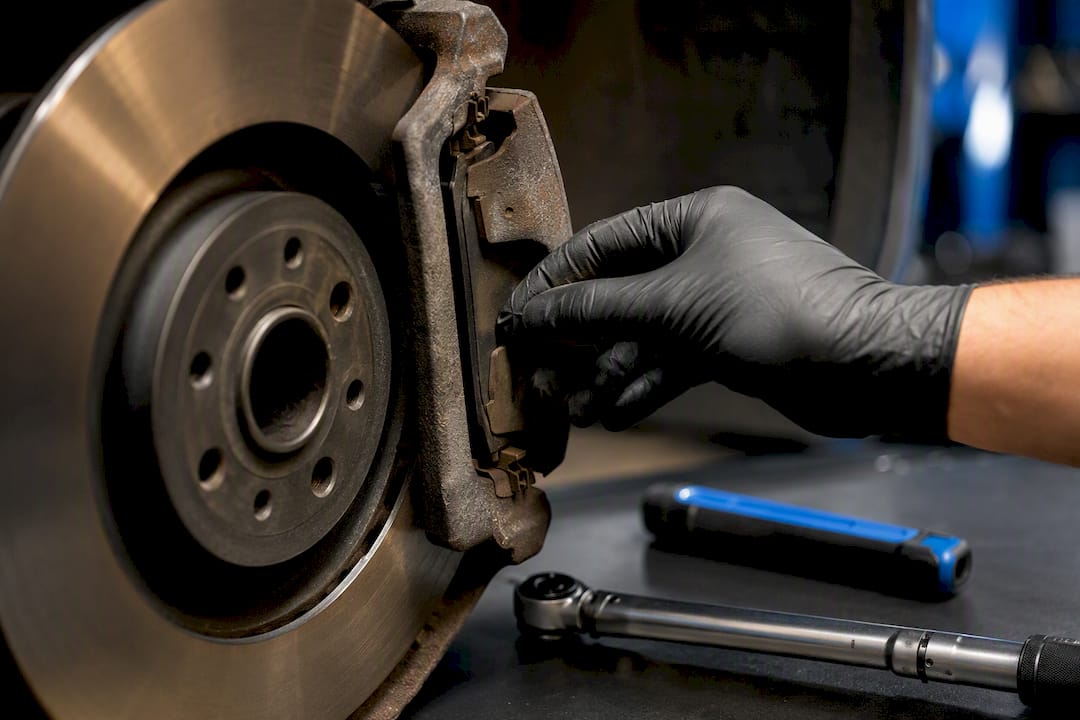
The type of mileage matters almost as much as the amount. Highway miles put far less stress on a transmission and brakes than stop-and-go city driving, so a car that spent most of its life on the interstate is mechanically younger than the odometer suggests.
A few things buyers weigh alongside the number itself:
- Whether you have receipts for oil changes, transmission service, and timing belt or chain work
- Whether the miles were mostly highway (lighter wear) or mostly city (heavier wear on brakes and drivetrain)
- Whether the model has a reputation for reliability at high mileage, which varies a lot by drivetrain and engine type
- Whether a recent independent inspection backs up your claims about condition
If your car has stop-and-go city miles on the odometer, say so honestly in your listing, but lean on your maintenance records to reassure buyers who might otherwise assume the worst.
Pro Tip: If most of your driving was highway miles, say so explicitly in your listing. “Mostly highway miles” is a phrase serious buyers actually search for, and it can shift how they weigh your mileage against a competing listing.
How to Estimate Your Own Car’s Mileage Discount
You don’t need a valuation degree to figure out roughly what your mileage is costing you. A repeatable comparables-based method gets you close enough to negotiate with confidence.
- Gather 5 to 10 sold comparables for the same year, make, model, and trim in your region, then throw out any listing that looks like an outlier (accident history, missing options, unusually desperate pricing).
- Set a midpoint value from what’s left. This midpoint reflects your car’s baseline value before mileage adjustments.
- Apply a mileage adjustment using the 1% per 1,000 miles guideline as a starting point, comparing your mileage against the average for comparable listings rather than some fixed national number.
- Layer in condition and maintenance modifiers. A documented service history can claw back several points of the mileage discount; missing records or visible wear can push the discount further than the baseline formula suggests.
- Compare the adjusted number across sale channels, since a private buyer, a dealer, and a cash buyer will each land on a different final offer even looking at the same car.
A simple value-per-mile heuristic can sanity-check your math, but treat it as a rough cross-check, never a replacement for real local comparables.
Does the Selling Channel Change What Mileage Costs You?
Yes, and the gap widens the higher your mileage climbs. The channel you choose can matter almost as much as the mileage itself once you cross 100,000 miles.
- Private sale usually nets the highest price, but the buyer pool shrinks fast on very high-mileage cars, and you’ll spend more time fielding lowball offers and no-shows.
- Dealer trade-in is convenient, but dealers price trade-ins off wholesale auction and retail data, and cars over roughly 100,000 miles often get routed straight to auction instead of the retail lot, which drags the offer down further. Understanding the gap between market value and dealer offers helps you judge whether a trade-in number is fair before you accept it.
- Online cash buyers give you a quick, predictable number based on current market data, which tends to be the most attractive option once a car’s mileage makes private buyers hard to find or dealers unwilling to retail it.
If you’re weighing a trade-in against selling outright, a trade-in value guide is worth a read before you walk onto a dealer lot with a high-mileage vehicle.
How an Online Cash-Offer Service Prices High-Mileage Cars
Some online cash buyers build their offers around current market data rather than a flat mileage penalty pulled from a chart. The process often runs on an instant appraisal that factors in a car’s mileage alongside its condition, trim, and regional demand, then backs that number with current wholesale data before scheduling pickup and payment promptly.
What raises your offer in a process like this is the same evidence that raises any offer:
- A maintenance binder or digital service records showing consistent upkeep
- Receipts for recent major work, especially anything tied to mileage-based service intervals
- A recent independent inspection report if you have one on hand
- An honest note about whether your miles were mostly highway or mostly city driving
Sellers dealing with a car well past 200,000 kilometers can walk through the specific considerations in selling a high-mileage car in Alberta, and anyone curious about how the appraisal itself works can read the online valuation process breakdown for a step-by-step look at what happens after you submit your car’s details.
Should You Sell Now or Wait Out the Mileage?
If you need cash fast or you’re staring down a milestone like 100,000 miles, sell before the odometer flips. Buyers filter by round numbers, not nuance, and a few thousand extra miles can cost you more in lost search visibility than you’d gain from a few more months of driving.
If you have time and a clean maintenance history, hold out and target private buyers. Documentation is your best lever against mileage, and it pays off more in a private sale than anywhere else. The math only favors patience when the paperwork backs you up.
— Omar
When a Fast Cash Offer Beats Chasing the Private Market
If you’ve read this far, you already know the private market rewards patience and paperwork, while trade-ins often get discounted by auction math you can’t control. Kamocars is a different route to the same goal: a fair cash number based on current market data, without listing photos, buyer no-shows, or haggling over your mileage.
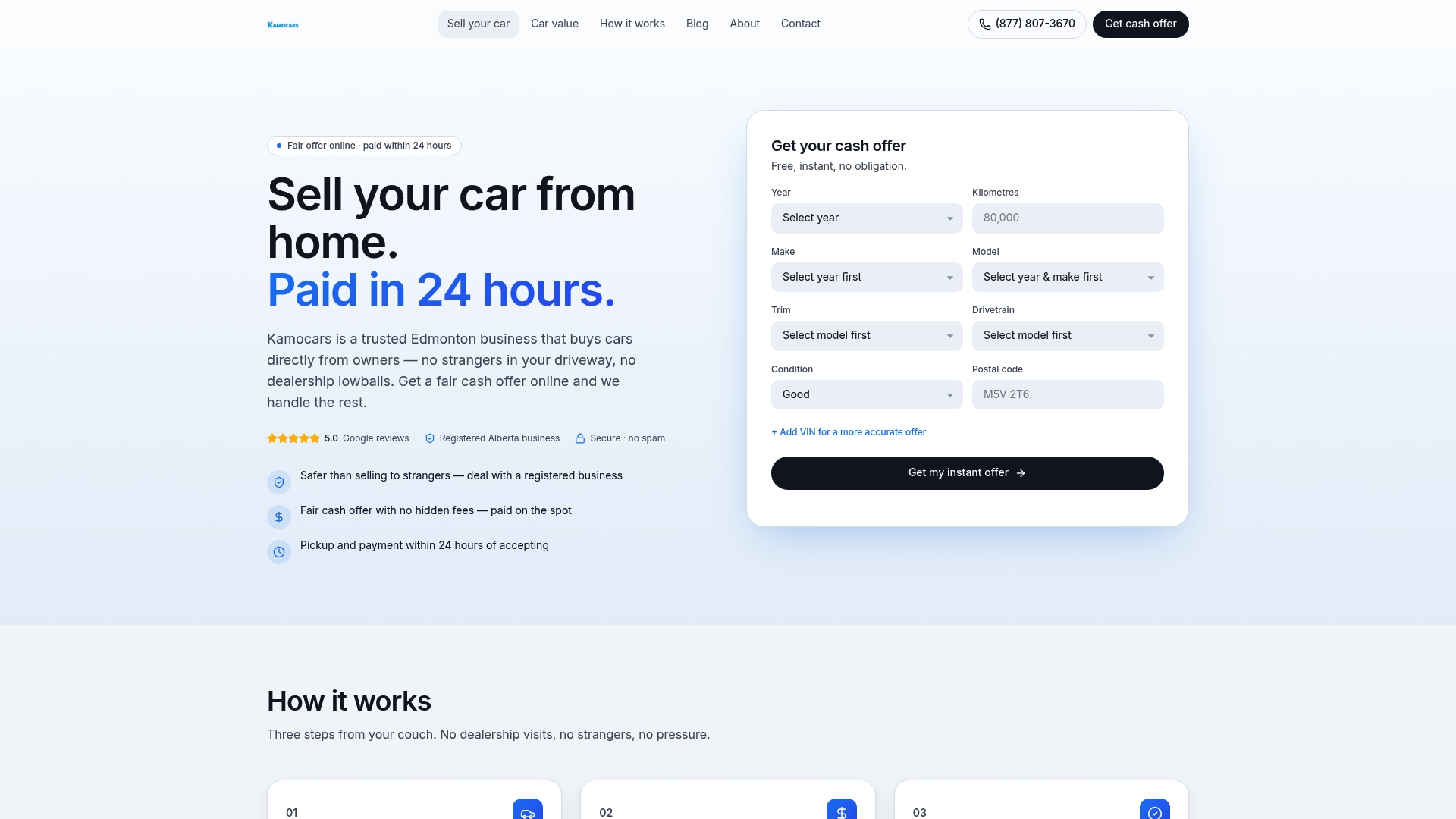
The offer accounts for your mileage, condition, and trim the same way a private buyer would, but you get the number immediately instead of waiting weeks for the right buyer to show up. Pickup and payment happen within 24 hours of accepting, which makes this a strong fit if your car is past the 100,000 mile mark, you’re short on time, or you just want a certain number instead of a negotiation. Some online cash buyers also handle financed and leased vehicles directly, so an existing loan balance doesn’t have to hold up your sale. Head to the Sell My Car page to get your offer and see what your mileage is actually worth today.
Sources
For deeper numbers on mileage-driven depreciation, see Motorway’s mileage and car value guide and Consumer Reports’ car value estimator. For seller-side tactics, Give Me The VIN’s high-mileage selling guide and what hurts resale value round out the picture.
FAQ
How Much Difference Does Mileage Make to Car Value?
Mileage typically reduces value by roughly 1% per 1,000 miles, or about 20% per 20,000 miles, though the exact impact varies by model, age, and maintenance history.
How Much Is 20,000 Miles Worth on a Car?
Using the common benchmark, 20,000 extra miles often translates to roughly a 20% reduction in value compared to a similar car with average mileage for its age, before condition and service history adjustments.
Is It True That Higher Mileage Always Means Lower Value?
Not always. A well-maintained high-mileage car with full service records can be worth more than a neglected low-mileage one, since documentation and condition often outweigh the raw odometer number.
How Does Mileage Affect the Value of a Car at Specific Thresholds?
Round numbers like 100,000 and 200,000 miles shrink the buyer pool and narrow financing options, which drops perceived value beyond what the mileage difference alone would suggest.
Is Selling to an Online Cash Buyer Worth It for a High-Mileage Car?
For cars past 100,000 miles or with a shrinking pool of private buyers, an online cash offer through a service like Kamocars often gives a faster, more predictable result than waiting for the right private buyer.
Recommended
Get a real cash offer in 2 minutes
Trusted business. Fair price. Paid on the spot when we pick up your car.