
How Car Condition Affects Dealer Offers: 2026 Guide
Discover how car condition affects dealer offers in 2026. Learn to negotiate better by understanding key factors that impact trade-in value.
How Car Condition Affects Dealer Offers: 2026 Guide
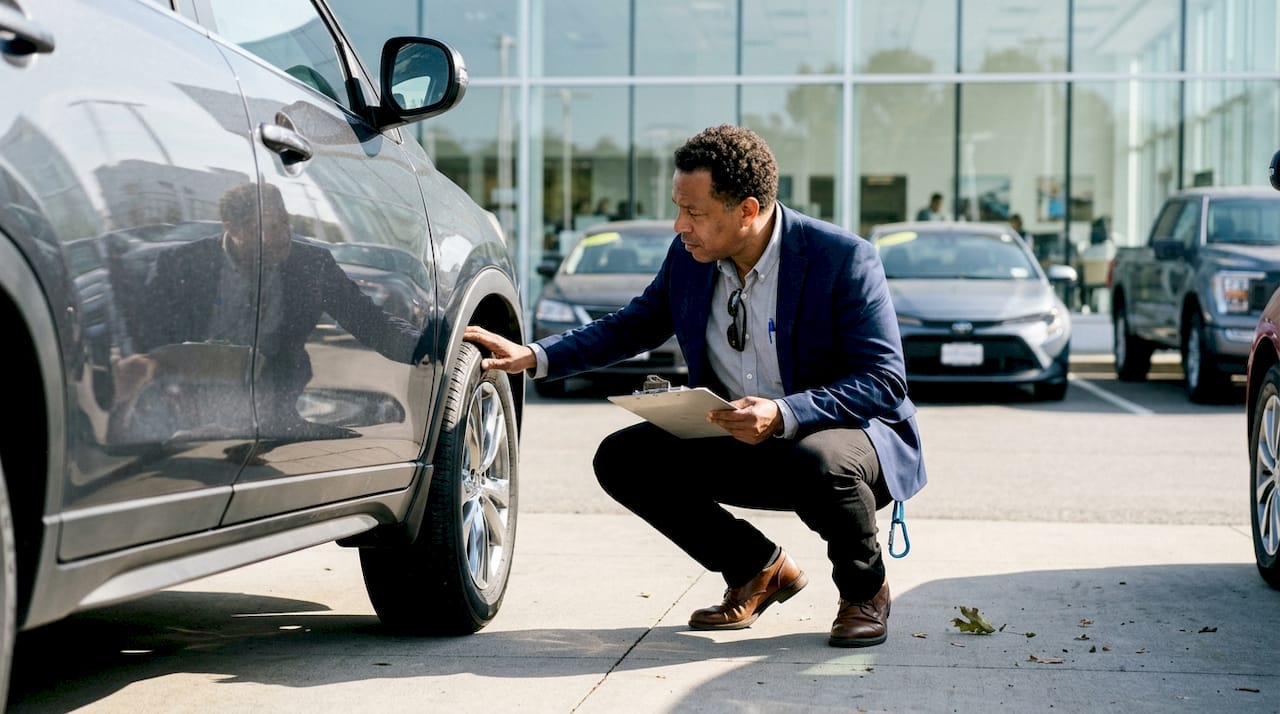
Vehicle condition is the single biggest factor dealers use to calculate trade-in offers. Every dent, warning light, and maintenance gap translates directly into a cost the dealer must absorb before reselling your car. Dealers price vehicles based on anticipated reconditioning expenses, risk of slow sale, and local market demand. That means understanding how car condition affects dealer offers is the first step toward negotiating from a position of knowledge rather than guesswork. This guide breaks down exactly what dealers evaluate, why accident history matters so much, and which repairs actually move the needle on your offer.
What specific vehicle condition factors affect dealer offers?
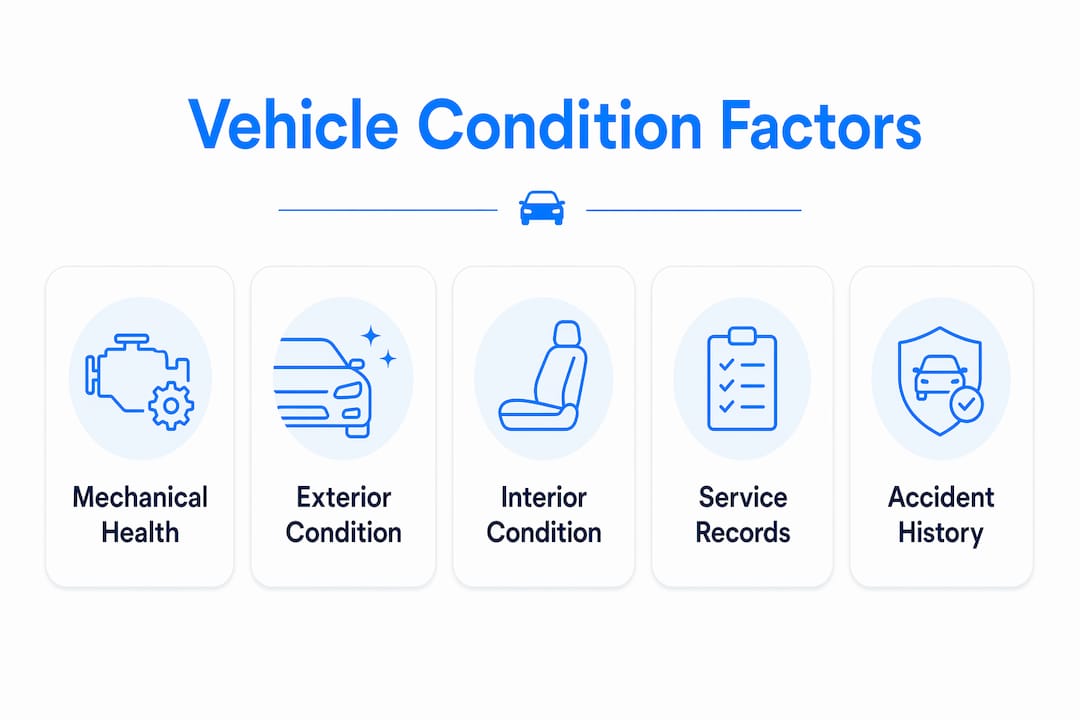
Dealers assess “front-line readiness” before making any offer. Front-line readiness means the vehicle can go directly onto the lot without additional work. Any gap between your car’s current state and that standard becomes a line-item deduction in the appraisal.
Exterior condition
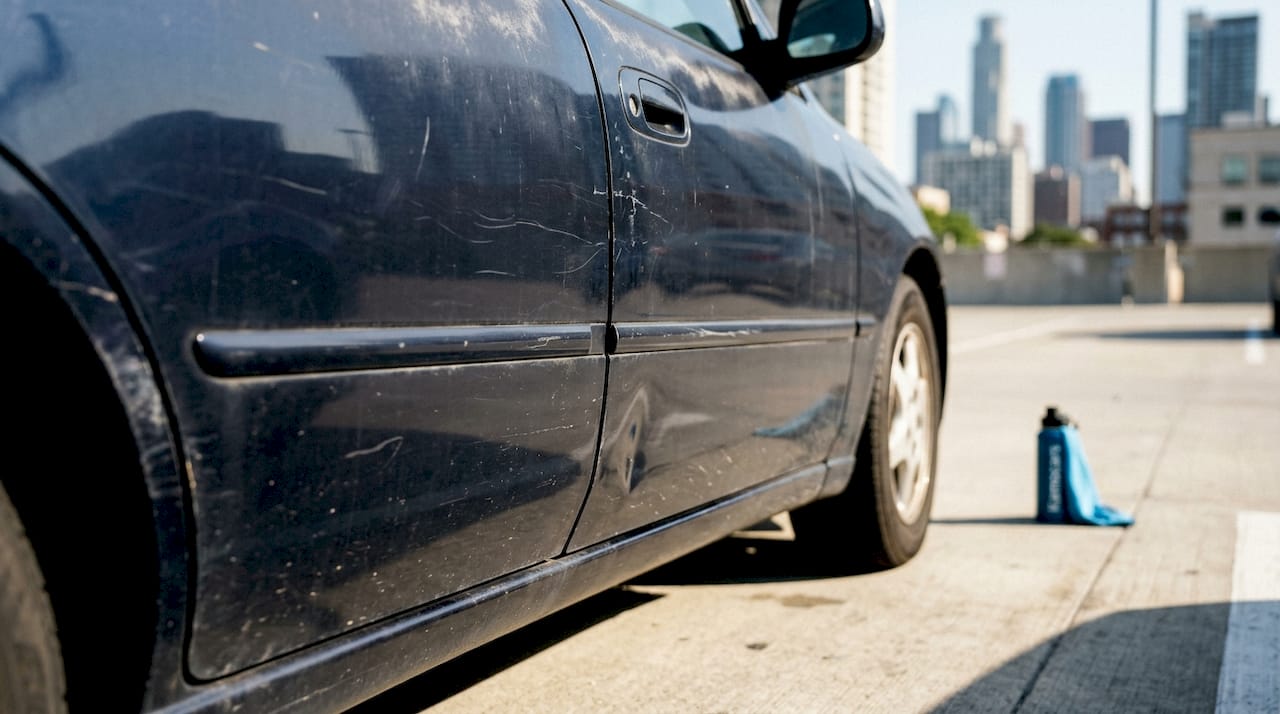
The outside of your car is the first thing a dealer’s appraiser sees, and it sets the tone for the entire evaluation. Dents, scratches, rust, and paint fade all signal reconditioning costs. A cracked windshield, for example, is a straightforward deduction because dealers know the exact replacement price. Bald tires and body damage are deducted immediately as known expenses before any negotiation begins.
Interior condition
Stained seats, strong odors, and broken trim pieces all reduce the offer. Odors are particularly costly because professional detailing and ozone treatments run several hundred dollars and are not always fully effective. A clean, odor-free interior signals lower reconditioning risk and gives the appraiser less to subtract.
Mechanical health
Warning lights are red flags in any appraisal. An active check-engine light tells the dealer there is an unknown repair cost hiding under the hood. Worn brakes, leaking fluids, and rough-running engines all increase the dealer’s risk estimate. The higher the perceived risk, the lower the offer.
Service and maintenance records
Vehicle history documentation and consistent maintenance records increase dealer confidence. A folder of oil change receipts, tire rotations, and scheduled service visits tells the dealer this car was cared for. That confidence can translate into a meaningfully better offer compared to an identical car with no paper trail.
Pro Tip: Gather every service receipt you have before your appraisal appointment. Even a partial maintenance history is better than none and signals responsible ownership.
How does vehicle history, especially accident records, change dealer valuation?
Accident history is one of the most significant variables in dealer pricing. Dealers do not just look at the current condition of a repaired car. They price for the risk that the repair was incomplete, that hidden structural damage exists, or that future buyers will reject the vehicle once they see the history report.
Dealers reduce trade-in offers by 20%–30% for vehicles with moderate accident history due to higher risk and the likelihood the car ends up at wholesale auction. That deduction can represent thousands of dollars on a mid-range vehicle. A car worth $20,000 in clean condition could receive an offer of $14,000–$16,000 simply because of a single reported collision.
Repaired accident damage does not restore full retail value. Buyers checking vehicle history reports through services like Carfax will see the incident regardless of how well the body shop performed. That narrowed buyer pool forces dealers to price conservatively.
Title branding compounds the problem significantly. A salvage or branded title narrows the buyer pool and lowers trade-in value because many lenders will not finance these vehicles. Flood titles carry similar stigma. Rebuilt titles sit in a middle ground but still face buyer skepticism that dealers factor into their offers.
Review your own vehicle history report before walking into any dealership. Knowing what the dealer will see lets you address concerns proactively and avoid being caught off guard by a lower-than-expected number.
Why does dealer inventory aging lead to lower trade-in offers?
Dealers operate on a velocity-first inventory model. The goal is to sell every vehicle within approximately 21 days of acquisition. That target is not arbitrary. It reflects the real cost of holding a car on a lot.
Vehicles unsold for more than 60 days cost dealers $40–$75 daily in holding costs and depreciation. That daily burn covers floor plan interest, insurance, and the opportunity cost of capital tied up in a slow-moving unit. Over 60 days, a single vehicle can cost a dealer $2,400–$4,500 in pure holding expense.
Aging inventory is a silent profit killer. Dealers respond by lowering prices aggressively to move stale units, which directly affects how they value incoming trade-ins. If a dealer’s lot already holds several similar vehicles, your car represents additional aging risk. That risk shows up as a lower offer.
| Inventory age | Dealer status | Typical response |
|---|---|---|
| 0–21 days | Active retail | Full retail pricing, normal offers |
| 22–45 days | Slowing | Price reductions begin, offers tighten |
| 46–60 days | At risk | Aggressive discounting, wholesale consideration |
| 60+ days | Stale | Wholesale liquidation, lowest offers on similar trade-ins |
Pro Tip: Check local listings before your appraisal. If dealers in your area already have several cars identical to yours, expect a lower offer. Timing your sale when similar inventory is scarce can improve your result.
What repairs or preparations should sellers prioritize before a trade-in?
The most common mistake sellers make is spending money on major repairs before trading in. Dealers perform major repairs internally at a fraction of retail shop prices. If you spend $1,500 at a body shop, the dealer may only credit you $500 in offer value because they could have done the same job for $600 in-house.
Focus on low-cost, high-visibility improvements instead. Here is where your preparation dollars actually pay off:
- Full detail inside and out. A professional detail costs $150–$250 and removes the odors, stains, and grime that trigger reconditioning deductions. It is the highest-return investment you can make before an appraisal.
- Fix minor cosmetic issues. Small paint chips, a cracked interior trim piece, or a burned-out headlight are cheap to fix and signal neglect if left unaddressed. Dealers notice these details.
- Address warning lights if the fix is simple. A loose gas cap triggering a check-engine light costs nothing to fix. A sensor replacement might run $100–$200 at a shop. Either way, removing that warning light eliminates an unknown cost from the dealer’s calculation.
- Organize your maintenance records. Print or compile digital receipts into a clear folder. Presenting organized documentation at the appraisal builds credibility and reduces the dealer’s perceived risk.
- Be honest about known issues. Dealers will find problems during their inspection. Disclosing issues upfront builds trust and prevents the offer from being revised downward after the fact.
Sellers rarely gain full return from major repairs done before trade-in. Save that money and let the dealer handle significant mechanical or body work.
Pro Tip: Never hide a known mechanical issue. Dealers inspect every vehicle thoroughly. A problem discovered after you’ve claimed the car is “fine” destroys trust and can result in a rescinded offer.
How do market demand and vehicle traits beyond condition influence dealer offers?
Condition is the foundation of any dealer offer, but it is not the only variable. Market demand for certain trims, colors, and fuel types affects dealer offers by changing how easily the vehicle resells. A car in excellent condition but with low local demand will still receive a conservative offer.
Key market factors that shape dealer pricing include:
- Body style and trim. Trucks and SUVs with popular trims command stronger offers in markets like Alberta, where demand for capable, all-season vehicles runs high. A base trim with no towing package sits differently than a fully loaded variant.
- Color. White, black, and gray vehicles sell faster in most North American markets. Unusual colors narrow the buyer pool and give dealers less flexibility on resale pricing.
- Fuel type and drivetrain. All-wheel-drive and four-wheel-drive vehicles hold stronger demand in colder climates. Hybrid and electric vehicles face more variable demand depending on local charging infrastructure and buyer familiarity.
- Local inventory supply. How supply affects dealership offers is straightforward: when a dealer already has five similar vehicles on the lot, your car adds to a crowded segment. When inventory is thin, dealers compete harder for good trade-ins and offer more.
Understanding local market conditions before you negotiate gives you real leverage. Check what similar vehicles are listed for in your area and how long they have been sitting. That data tells you whether you are selling into a strong or soft market. For a real-world look at how these factors play out, the Toyota Corolla trade-in breakdown for Alberta shows how trim, condition, and local demand combine into actual numbers.
Key Takeaways
Vehicle condition directly determines dealer offers because every visible defect, mechanical issue, and missing document represents a cost or risk the dealer must price into their bid.
| Point | Details |
|---|---|
| Condition drives reconditioning costs | Every defect is a deduction; front-line readiness is the dealer’s standard for a full offer. |
| Accident history cuts offers 20%–30% | Moderate accident records push vehicles toward wholesale auction and widen the value gap. |
| Inventory aging costs dealers daily | Vehicles over 60 days cost $40–$75 per day, making dealers conservative on similar trade-ins. |
| Major repairs rarely pay off | Dealers fix major issues cheaper in-house; focus on detailing and minor cosmetic fixes instead. |
| Market demand shapes the final number | Trim, color, fuel type, and local supply all adjust the offer beyond pure condition factors. |
What dealers are really buying when they make you an offer
Here is the part most sellers miss: dealers are not buying your car. They are buying a business problem. Every vehicle they acquire needs to be cleaned, inspected, priced, marketed, and sold within a tight window. The offer they make you reflects all of that future work, not just what your car is worth at retail.
I have seen sellers walk away from fair offers because they compared the dealer’s number to a private-sale listing price. That comparison is not apples to apples. A private buyer takes the car as-is and pays retail. A dealer takes on reconditioning costs, holding costs, sales commissions, and the risk of the car sitting for 45 days. The gap between those two numbers is not the dealer being unfair. It is the cost of the service they provide.
The sellers who get the best offers come in prepared. They have their maintenance records organized, they have already detailed the car, and they know what similar vehicles are selling for locally. They also know their vehicle history before the dealer pulls it. That preparation signals to the appraiser that this is a low-risk acquisition, and low-risk acquisitions get better offers.
My honest advice: do not spend money trying to make your car perfect. Spend 30 minutes organizing your paperwork and $200 on a professional detail. Then understand the market you are selling into. Those two steps will do more for your offer than a $2,000 repair ever will. If you want to understand how condition and market factors combine into a real number for your specific vehicle, the private vs. dealer comparison breaks down exactly where the money goes in each channel.
— Omar
A faster way to get a fair offer on your car
Knowing how vehicle condition affects dealer offers is useful. Getting an offer that actually reflects your car’s real value is better.
Sellkamocars prices every vehicle based on current market data, local demand, and actual condition rather than a lowball number designed to maximize dealer margin. The process is direct: submit your vehicle details online, receive a fair cash offer, and get free pickup with payment within 24 hours. No haggling, no strangers, no lot visits. Sellkamocars has completed over 500 transactions with a strong customer rating, and the registered business status means you are protected throughout the process. See how it works and find out what your car is actually worth. You can also get your cash offer online in minutes.
FAQ
How much does accident history reduce a dealer trade-in offer?
Dealers typically reduce offers by 20%–30% for vehicles with moderate accident history. The deduction reflects higher reconditioning risk and the likelihood the vehicle will be sent to wholesale auction rather than retailed directly.
What repairs are worth doing before a trade-in?
Focus on low-cost improvements like professional detailing, fixing minor cosmetic issues, and clearing simple warning lights. Major repairs rarely pay off because dealers perform the same work at a fraction of retail shop prices.
Why does a salvage or rebuilt title lower my trade-in value so much?
A branded title narrows the buyer pool because many lenders will not finance salvage or rebuilt vehicles. Dealers price that reduced demand directly into the offer, often resulting in significantly lower numbers than a clean-title equivalent.
How does local inventory supply affect what a dealer offers me?
When a dealer already holds several vehicles similar to yours, your car adds to a crowded segment and receives a more conservative offer. Thin local inventory for your vehicle type gives dealers a stronger reason to compete for your trade-in.
Does having maintenance records actually improve my offer?
Consistent service documentation increases dealer confidence by reducing perceived risk. A well-documented maintenance history signals responsible ownership and can improve the offer compared to an identical vehicle with no records.
Recommended
Get a real cash offer in 2 minutes
Trusted business. Fair price. Paid on the spot when we pick up your car.