
How to Get an Above-Average Car Offer Guide That Pays Fast
Discover how to quickly secure an above-average cash offer for your car. Follow our guide for tips on pricing and maximizing your offers.
How to Get an Above-Average Car Offer Guide That Pays Fast
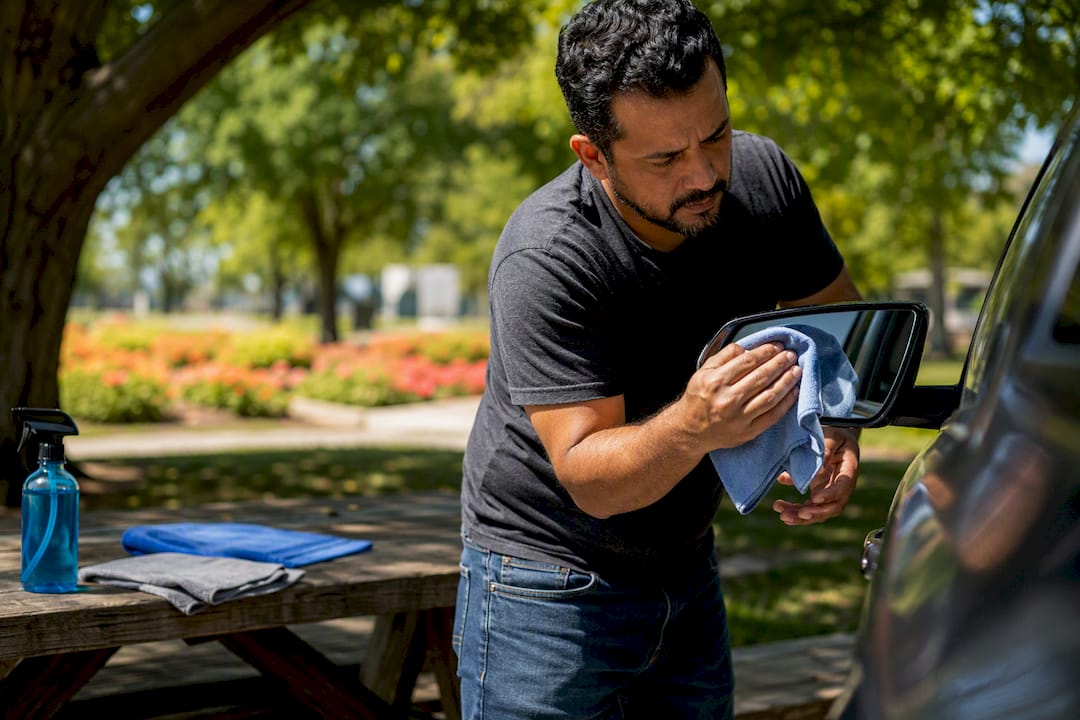
The fastest way to land an above-average instant cash offer is to hand buyers exactly what their algorithms need to trust your number: a fully decoded VIN with accurate trim and options, timestamped photos, and real service records, then request multiple offers inside a tight 24 to 72-hour window. Sellers who skip this and submit vague details almost always get lowballed, then hit with deductions after inspection.
Here’s your starting checklist:
- Pull your VIN and confirm trim/options match your window sticker or build sheet
- Shoot 20 to 30 timestamped photos, including odometer and keys
- Gather service records, the title, and any lien payoff information
- Request quotes from at least three buyers within the same 24 to 72-hour window
- Compare offers side by side before accepting anything
An instant cash offer is a preliminary estimate, not a locked-in price. The number only holds if your inspection matches what you reported.
Key Takeaways
An above-average instant cash offer comes from combining VIN-accurate trim data, timestamped documentation, and multiple competing quotes requested within the same short window.
| Point | Details |
|---|---|
| Decode your VIN first | Confirm exact trim and options before requesting any quotes to avoid post-inspection mismatches. |
| Document everything | Capture 20 to 30 timestamped photos and gather service records, title, and lien details. |
| Understand the math | Effective selling price minus reconditioning minus target profit equals the buyer’s maximum offer. |
| Get multiple quotes fast | Request offers within a 24 to 72-hour window and compare them before accepting one. |
| Consider Sellkamocars | Offers instant Canadian-data appraisals, VIN-level decoding, and 24-hour pickup and payment for 2018+ vehicles. |
Tools to verify your car’s value before you request offers
- CARFAX Canada: vehicle-history reports covering accidents, ownership, and odometer records
- VinAudit Canada: combines valuation with history data to narrow a realistic price range
- A VIN decoder: confirms exact factory trim and installed options
- Consumer Reports: member survey data on which selling routes actually deliver the best price
U.S. valuation guides routinely misprice Canadian vehicles since provincial markets, like Alberta versus BC, can differ by 10% or more. Check local comparables through how much your car is worth in Canada before trusting a cross-border number.
Table of Contents
- Get Above-Average Car Offer Guide: How ICOs Are Actually Generated
- Building Your Pre-Offer Checklist Before You Request a Quote
- What “Maximum Offer” Actually Means (With the Math)
- From Accepted Offer to Cash in Hand: The Timeline
- Why Offers Get Reduced After Inspection
- How Sellkamocars Delivers a Fast, Above-Average No-Haggle Sale
- Ready to Turn Your Prep Into a Real Offer?
- Sources
Get Above-Average Car Offer Guide: How ICOs Are Actually Generated
Instant cash offer algorithms pull from wholesale auction data, decoded VIN and trim details, mileage, accident history, and regional demand. None of that involves a human looking at your actual car, which is exactly why every ICO comes with a validity window, typically 24 hours to 7 days, before the number expires and gets recalculated.
The inputs that move an offer the most:
- VIN-decoded trim and factory options (this alone can shift value by thousands)
- Mileage relative to the vehicle’s model year
- Accident and title history
- Photo-documented condition
Algorithms weigh year, make, model, trim, mileage, accident history, and region together, and even a small mismatch between what you reported and what the inspector finds can trigger a downward revision. Buyers subtract reconditioning, transport, and margin from a wholesale starting point, so the cleaner your reported data, the less room there is for that subtraction to grow.
Pro Tip: Report condition honestly and specifically. Instead of “good condition,” say “small door ding on the rear passenger panel, tires at 6/32 tread.” Buyers reward precision because it reduces their inspection risk, and vague answers almost always work against you.
Building Your Pre-Offer Checklist Before You Request a Quote
Treat this like prepping a listing, not filling out a form. The details you enter before you ever see a number determine whether that number holds up.
Photos to capture (save as one PDF, timestamped):
- Front, rear, and both side exteriors
- Each wheel and tire close-up
- Odometer reading
- Interior front and rear seats, dashboard
- Engine bay
- Keys and any extra fobs
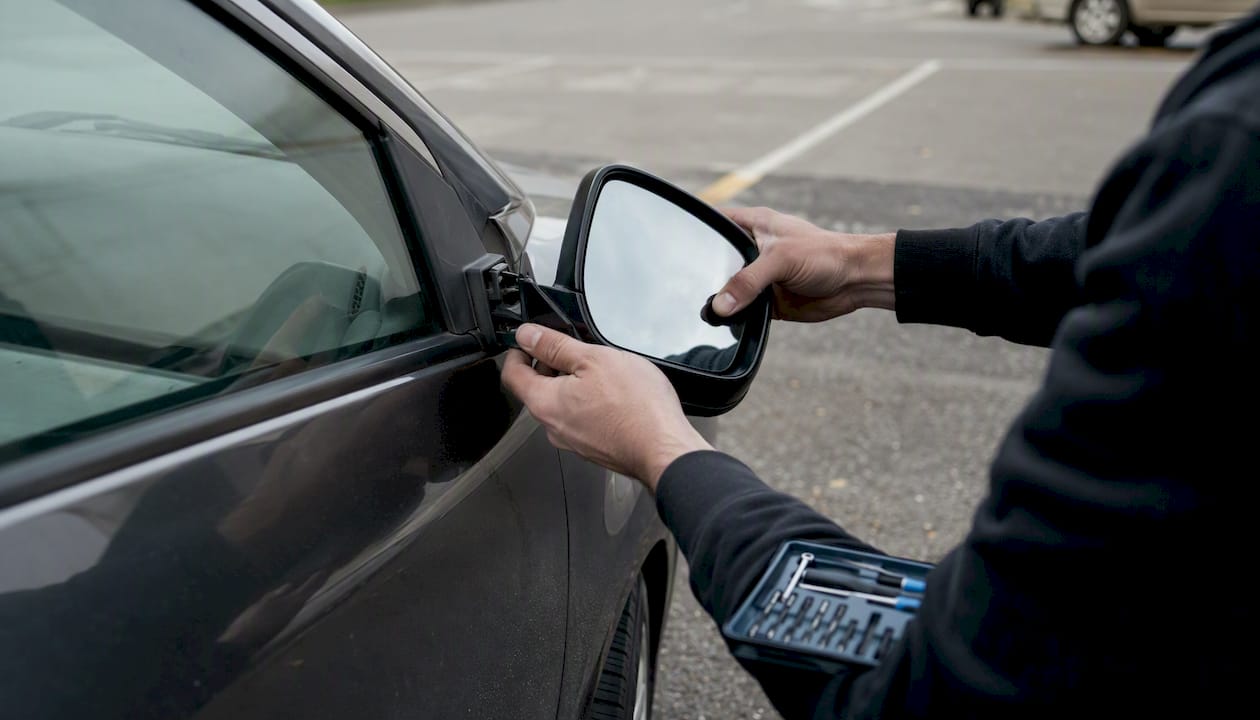
A recommended 20 to 30-shot photo set covering these angles gives you a paper trail if a buyer tries to walk back an offer after inspection.
Documents to have ready:
- Vehicle title (and lien info if financed)
- Complete service records
- Owner’s manual and spare keys
- A vehicle-history report from CARFAX Canada or VinAudit Canada
Before requesting any quotes, verify your exact trim and options through VIN decoding rather than guessing from memory. A base model and a loaded trim of the same year and mileage can be worth thousands apart, and buyers will catch the discrepancy at inspection even if you don’t catch it first.
On repairs: a $40 wiper blade swap or a $15 cabin air filter is worth doing. A $1,200 transmission service on a 100,000-kilometer vehicle usually isn’t, since you won’t recover that cost in the final offer.
What “Maximum Offer” Actually Means (With the Math)
Every serious buyer runs the same basic formula: Effective selling price minus reconditioning costs minus target profit equals maximum offer. Understanding this math is what separates a seller who recognizes a fair number from one who guesses.
- Effective selling price is not your local asking-price average. It’s a velocity-weighted figure, typically running 92 to 96% of what similar vehicles list for, because it accounts for how fast comparable units actually sell rather than how long they sit.
- Reconditioning costs cover detailing, minor mechanical work, and tire or brake replacement needed before resale.
- Target profit varies by segment: fast-moving compact crossovers often carry a $1,500 to $2,500 target margin, while mid-tier sedans, premium trims, and EVs each carry different spreads depending on how quickly that category turns over at auction.
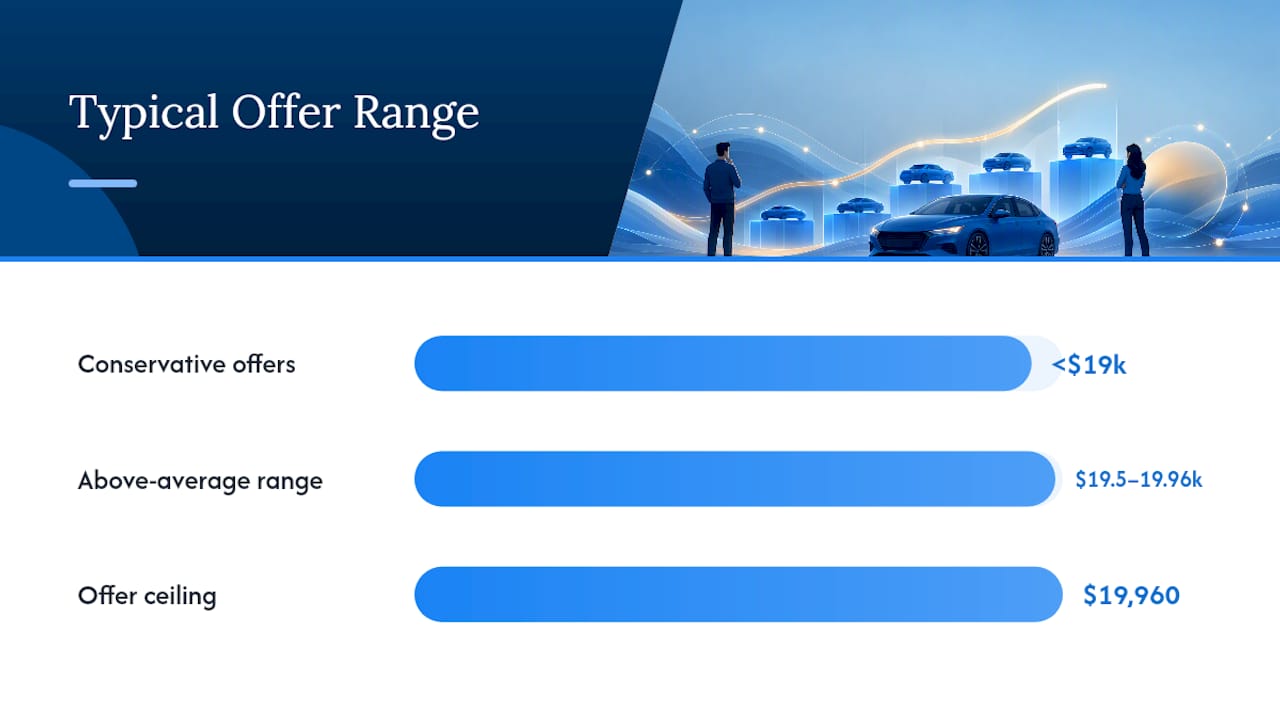
Worked example: Say a 2020 mid-size SUV in Alberta has comparable retail listings averaging $24,000. Subtract $800 in likely reconditioning (detail, one tire, minor touch-up) and a $1,800 target profit for that segment, and you land near $19,960 as a defensible maximum offer.
An offer that lands close to that ceiling, say $19,500 to $19,960, counts as above average. Anything meaningfully below that gap usually reflects either a conservative buyer or a data mismatch you can correct before accepting.
From Accepted Offer to Cash in Hand: The Timeline
Once you accept an ICO, the process moves fast if your documentation is ready.
- Schedule inspection within your offer’s validity window (24 hours to 7 days)
- Physical inspection runs 15 to 30 minutes, checking exterior, interior, mechanical function, and equipment against what you reported
- Lien payoff handled directly between the buyer and your lender if the vehicle is financed
- Payment issued, typically same-day once inspection confirms your reported condition
- Pickup arranged, usually within 24 hours of final agreement
What to have ready for a financed vehicle:
- Current loan payoff statement
- Lender contact information
- Photo ID matching the registered owner
Prefer buyers offering direct bank transfer or certified funds over personal checks, and confirm pickup logistics before the inspector arrives so there’s no delay between approval and payment.
Why Offers Get Reduced After Inspection
Most downward adjustments trace back to the same handful of issues, and nearly all of them are preventable.
- Undisclosed dents, scratches, or interior damage not shown in photos
- Missing keys, fobs, or manuals
- Trim or options that don’t match what was submitted
- Active warning lights or mechanical issues not mentioned upfront
- Tire tread below the buyer’s minimum threshold
Your timestamped photo PDF and service binder are your best defense here. If an inspector cites something you already photographed and disclosed, you have grounds to push back on the deduction.
Pro Tip: If your post-inspection offer drops, ask specifically what changed from your submission. A vague “condition adjustment” isn’t a real answer. A named issue tied to a specific line item is something you can verify or dispute.
How Sellkamocars Delivers a Fast, Above-Average No-Haggle Sale
Sellkamocars builds instant appraisals directly from Canadian wholesale data and VIN-level trim decoding, not generic U.S. book values that routinely misprice Canadian vehicles. That accuracy is the entire point: sellers who submit correct trim and options data see fewer surprises when it’s time to close.
What the process looks like once you request a quote:
- Submit VIN, mileage, and photos for an instant appraisal
- Schedule a quick inspection to confirm condition
- Sellkamocars handles lien payoff directly if your vehicle is financed
- Pickup and payment completed within 24 hours
Sellkamocars has completed over 500 transactions from its Edmonton base, and every purchase goes through a registered business rather than an informal buyer you meet from a classifieds ad.
Sellers who come prepared with a decoded VIN, photos, and service records consistently see their final offer land closer to the original quote.
Pro Tip: Coverage focuses on 2018 and newer cars, trucks, and SUVs in running condition. If your vehicle fits that window, the documentation steps above are the fastest path to a number that holds.
Why VIN accuracy and multiple quotes reliably beat the average
The pattern holds across nearly every case worth studying: sellers who decode their VIN precisely, document condition with photos, and collect several quotes in the same short window consistently land closer to their vehicle’s true ceiling than sellers who accept the first number they see. It’s not luck. It’s removing the guesswork that lets a buyer justify a lower offer. For more on how buyers evaluate submissions, see how car sellers evaluate cash offers and how comparing multiple offers changes outcomes. Full bio for Omar to be added.
Ready to Turn Your Prep Into a Real Offer?
You’ve done the harder part already: decoded your VIN, gathered your photos, pulled your service records. Now the question is which buyer turns that prep into cash the fastest, without a back-and-forth negotiation eating your week.
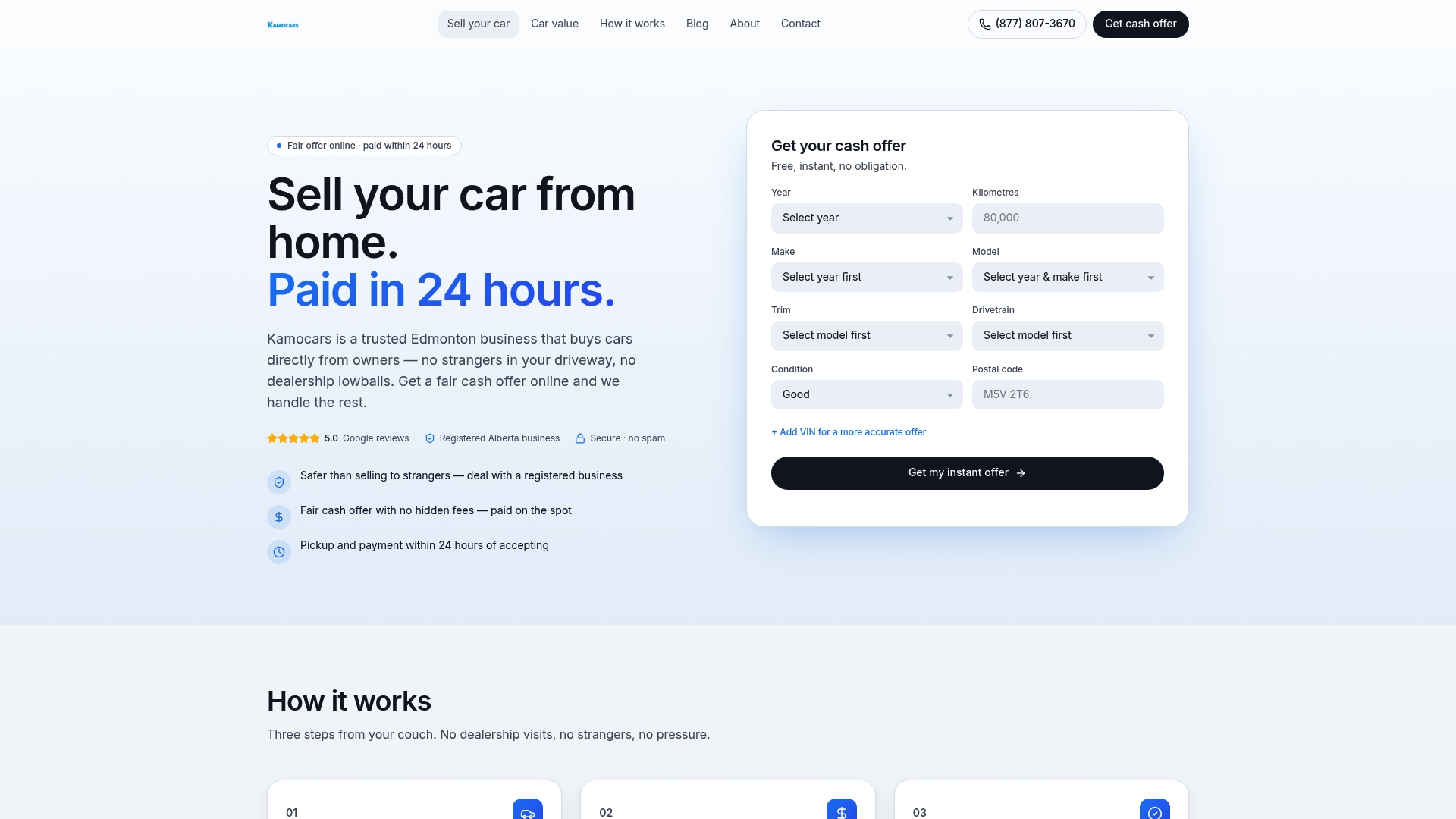
Sellkamocars builds its appraisals from Canadian wholesale data instead of generic valuation guides, which means the number you see reflects what your 2018-or-newer car, truck, or SUV is actually worth in this market, not a U.S. average. Have your VIN, mileage, and a few honest photos ready, and request your quote through the Sell My Car Online page. If your vehicle is financed, mention it upfront so lien payoff gets handled as part of the same 24-hour pickup and payment process.
Sources
- How to Sell Your Car to an Online Retailer - Consumer Reports
- Car appraisal for buyers and sellers — VinAudit Canada
- How online car buyers determine your car offer
Recommended
Get a real cash offer in 2 minutes
Trusted business. Fair price. Paid on the spot when we pick up your car.