
15% Rule: Fix Low Cost Items Before Selling or Sell Fast to Kamocars
Use the 15% rule to pick which low cost repairs raise resale value, plus a fast, no haggle option: get a Kamocars offer within 24 hours.
15% Rule: Fix Low Cost Items Before Selling or Sell Fast to Kamocars
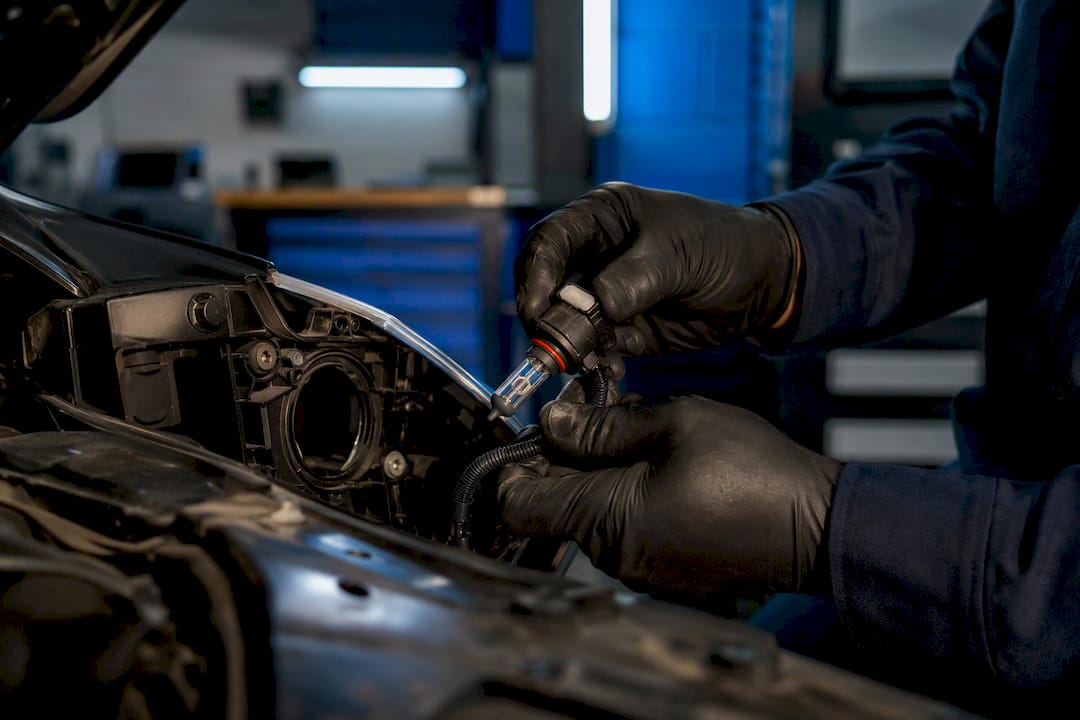
Skip the big mechanical work. Fix the cheap, visible stuff: lights, wipers, chips, and dents. The math changes depending on how you sell. Private buyers reward a clean, well-documented car; trade-ins and instant-offer buyers already price in repairs, so spending your own money on major mechanical fixes rarely pays you back. Detail it, gather your records, and check the small stuff first.
TL;DR:
- Repair costs exceeding 15% of the car’s market value usually do not yield a positive return before sale.
- Cosmetic fixes like detailing and replacing bulbs return more value than major mechanical repairs, especially for private buyers.
- Structural or engine work rarely recovers its cost unless it addresses safety or legal issues, making it a poor investment before selling.
- Organizing maintenance records and performing small, visible repairs can significantly influence the speed and price of sale.
- Sellkamocars offers a no-repair, quick sale option for cars in running condition, ideal if mechanical issues make fixing uneconomical.
Table of Contents
- How to Decide Whether to Fix Your Car Before Selling It
- Why Dealers and Private Buyers Value Repairs Differently
- The Repairs That Actually Pay Off Before You Sell
- The Repairs That Rarely Pay Off
- Your Pre-Sale Checklist: What to Do This Week
- An Honest Look at Skipping Repairs Entirely: Selling to Kamocars
- What the Repair-Before-Selling Advice Usually Gets Wrong
- Sources
How to Decide Whether to Fix Your Car Before Selling It
Before you fix car before selling anything, run the numbers. This isn’t guesswork. It’s a repeatable four-step process that tells you exactly where your money should go.
- Get a baseline value. Pull a market estimate from an online valuation tool or a quick appraisal so you know what the car is worth in its current condition.
- Get a real repair estimate. Take the car to a mechanic or use a parts-store code scan if a warning light is on, then get an actual quote rather than guessing.
- Apply the 15% rule. If a repair costs more than roughly 15% of the car’s current market value, it usually doesn’t pay off before a sale. Below that threshold, most fixes are worth doing.
- Match the repair to your selling route. Private sales reward cosmetic and safety repairs because buyers are comparing your listing against others online. Trade-ins and direct buyers already build reconditioning costs into their offer, so spending on anything beyond the basics usually just cuts into your own margin.
A quick, often free diagnostic scan is worth doing before any of this. It tells you whether that check engine light is a $40 sensor or a $2,000 problem, and that single data point can change your entire strategy for what to fix before trading in a car.
Why Dealers and Private Buyers Value Repairs Differently
The selling route you choose determines which repairs actually make financial sense, because dealers and private buyers aren’t judging your car the same way.
- Dealers and brokered buyers recondition vehicles at wholesale cost, meaning they can fix a $600 problem for a fraction of what you’d pay at retail. That’s why major mechanical repairs rarely recover their cost when you’re trading in.
- Private buyers can’t recondition anything themselves, so they pay more attention to cleanliness, smell, and how well the car has obviously been maintained.
- A folder of service records changes the negotiation dynamic in a private sale. It answers the buyer’s unspoken question (“what am I not being told?”) before they even ask it.
- Vehicle history reports and pre-sale inspections give private buyers confidence that a low sticker price isn’t hiding something worse.
If you’re trading in or selling to an instant-offer buyer, how condition affects dealer offers is worth understanding before you spend a dollar on repairs, since the offer math often favors skipping fixes entirely.
The Repairs That Actually Pay Off Before You Sell
These are the fixes that consistently return more than they cost, whether you’re listing privately or handing the keys to a buyer.
- Full interior and exterior detail: A professional detail runs $100 to $300 and is one of the highest-return moves you can make. It’s the first thing a buyer notices and the easiest way to signal that the car has been cared for.
- Headlights, bulbs, and wipers: Burned-out bulbs and cloudy headlights read as neglect even on a mechanically perfect car. A restoration kit costs $15 to $25 and takes under an hour.
- Windshield chip repair: A chip repair runs $50 to $150 and prevents a small crack from becoming a full windshield replacement that a buyer will use as a negotiating point.
- Small dents: Paintless dent repair is fast and affordable for minor door dings and hail damage, and it removes an obvious flaw from your photos.
- Loose gas cap or minor sensor codes: Some check engine lights are genuinely $10 fixes. A code scan tells you which category you’re in before you assume the worst.
- Fresh oil change and topped-off fluids: Cheap, quick, and it lets you honestly say the car is ready to drive off the lot.
- Organized maintenance records: Buyers and appraisers both pay more attention to condition when service history is documented, so print them out or have them ready digitally.
Pro Tip: Take your “before” photos after the detail, not before. A clean car photographs completely differently, and it’s the single fastest way to make your listing stand out against ten others in the same price range.
The Repairs That Rarely Pay Off
Some fixes feel responsible but almost never return their cost at sale time. Knowing where to draw the line saves you real money.
- Engine or transmission rebuilds: These routinely cost thousands and almost never fully recover in the sale price, especially through a trade-in.
- Frame or structural repairs: If the damage will show up on a vehicle history report anyway, fixing it rarely erases the value hit. Disclose it and price accordingly instead.
- Full repaints or full resprays: A full respray can cost more than the value it adds unless the car has serious visible damage across multiple panels.
- New tires (in most cases): Unless tread depth is below the legal minimum or clearly unsafe, new tires rarely return their full cost. A price adjustment usually beats replacement.
Get an actual mechanic’s quote before ruling anything out. Sometimes a problem that sounds catastrophic is a $300 fix, and sometimes a “minor” noise is a $4,000 one. Guessing costs you money either way.
Your Pre-Sale Checklist: What to Do This Week
Work through this list in order and you’ll be ready to list or trade in within a few days.
- Detail the interior and exterior. This comes first because it affects every photo and every showing after it.
- Check every light, wiper, and fluid level. Replace anything burned out or low before a buyer notices for you.
- Run a free code scan at any parts store if a warning light is on, so you know exactly what you’re dealing with.
- Check tire tread and brakes. Address only what’s unsafe or clearly below standard.
- Gather maintenance receipts and title paperwork. Buyers who see organized records negotiate less aggressively.
- Clear personal data from the infotainment system. Delete paired phones, saved addresses, and login sessions.
- Write an honest disclosure of known issues. A pre-sale inspection or vehicle history report can back up what you’re claiming.
According to buyer research, small maintenance items like bulbs, wipers, and fluid top-offs directly influence how fast a car sells and at what price, which makes this checklist worth the two or three hours it takes. For a full walkthrough of paperwork requirements, the documents needed to sell a car checklist covers title transfer and lien payoff details this article doesn’t.
An Honest Look at Skipping Repairs Entirely: Selling to Kamocars
If you’d rather not spend a weekend and a few hundred dollars fixing up a car before you sell it, there’s a simpler path. Sellkamocars buys 2018 and newer cars, trucks, and SUVs in running condition directly from owners across Alberta, using current wholesale market data to build an offer.
- You get an online offer without cleaning, repairing, or negotiating with strangers.
- Sellkamocars handles financed or leased vehicles, so an outstanding loan isn’t a dealbreaker.
- Pickup and payment happen within 24 hours of accepting an offer.
- It’s a registered business, which matters if you’ve been burned by informal buy-and-sell platforms before.
This route makes the most sense if your car has a mechanical issue you don’t want to gamble on fixing, or if your time is worth more than the extra few hundred dollars a detailed private sale might net you. See how the process works or get a cash offer online to compare it against the repair math above before you commit to either path.
What the Repair-Before-Selling Advice Usually Gets Wrong
Most guides treat every repair as if it exists on the same scale, comparing a $20 headlight bulb to a $3,000 transmission job as though the decision logic were identical. It isn’t. The research is consistent on one point: cheap, visible fixes and clean documentation move the needle far more than sellers expect, while expensive mechanical work almost never returns what you put into it.
Where conventional advice falls short is nuance around selling route. A lot of “fix it before you sell” content assumes you’re listing privately, but if you’re trading in or selling to a direct buyer, the entire calculation flips. Dealers recondition at wholesale prices you can’t match, so spending retail dollars to fix something they’d fix for less is just giving away margin.
If you take one thing from this, prioritize the detail and the paperwork before anything mechanical. A clean car with organized records consistently outperforms a mechanically perfect car that looks neglected and comes with no history. Fix what’s visible and cheap, disclose what isn’t, and let the selling route decide the rest.
— Omar
Sources
- Savingadvice
- Should I Fix My Car Before Selling It? Repair Guide - N A Brokers
- How to sell a car: 10 steps for success - KBB
- What to Fix Before Trading In a Car - CarGurus
Recommended
Get a real cash offer in 2 minutes
Trusted business. Fair price. Paid on the spot when we pick up your car.